


Vanilla French Beignets: 5-Step Delicious, Easy Recipe
Table of Contents
- 1. Introduction: The Magic of Vanilla French Beignets
- 2. Why This Vanilla French Beignets: 5-Step Delicious, Easy Recipe Will Be Your New Favorite
- 3. Gather Your Ingredients for Vanilla Beignets
- 3.1. Ingredient Spotlight: Quality Matters!
- 4. 5-Step Instructions for Perfect French Beignets
- 4.1. Step 1: Activating the Yeast and Preparing the Dough
- 4.2. Step 2: The First Rise – Patience is Key
- 4.3. Step 3: Rolling, Cutting, and Shaping Your Beignets
- 4.4. Step 4: Frying to Golden Perfection
- 4.5. Step 5: The Finishing Touch – Vanilla Dusting!
- 5. Tips and Tricks for Beignet Success
- 6. Serving Suggestions and Pairings
- Foire Aux Questions
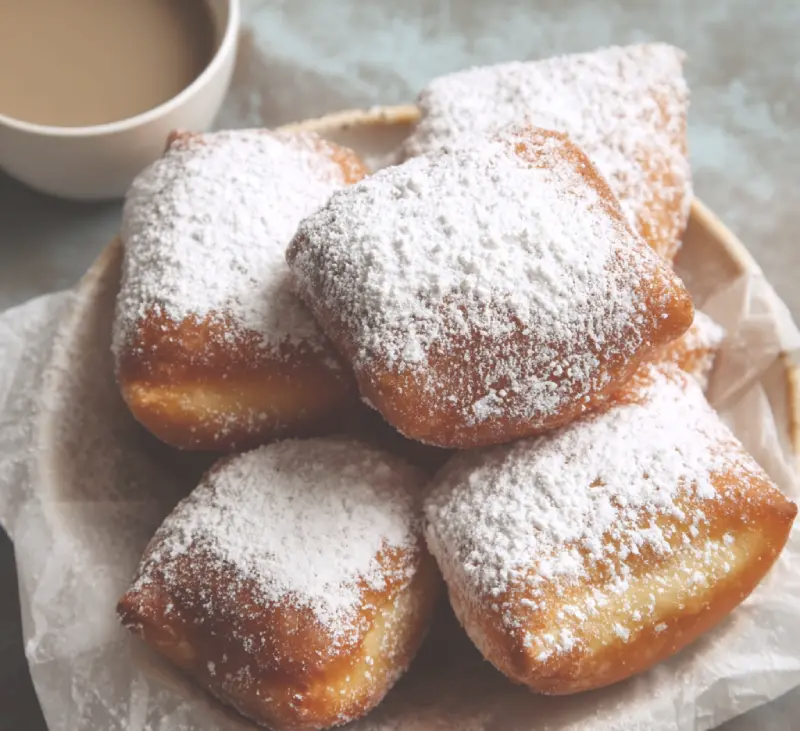
Welcome, fellow dessert lovers! Today, we’re embarking on a delightful culinary journey to create the most heavenly, melt-in-your-mouth Vanilla French Beignets. This isn’t just any treat; it’s a Vanilla French Beignets: 5-Step Delicious, Easy Recipe that promises to bring the charm of New Orleans right into your kitchen. Get ready for pillowy soft dough, fried to golden perfection, and dusted generously with vanilla-infused powdered sugar.
Imagine the aroma filling your home as these exquisite french doughnuts puff up in hot oil. This recipe simplifies the process, making it accessible for bakers of all levels. Prepare to impress your family and friends with this truly irresistible, homemade indulgence.
1. Introduction: The Magic of Vanilla French Beignets
There’s something undeniably magical about a fresh beignet. These light, airy squares of fried dough have a rich history, particularly popularized in New Orleans. Our version adds a delicate touch of vanilla, elevating the classic flavor profile to new heights.
They’re perfect for a special breakfast, a decadent brunch, or an unforgettable dessert. The best part? You’ll be amazed at how simple it is to achieve bakery-quality results at home. Let’s create some sweet memories together!
2. Why This Vanilla French Beignets: 5-Step Delicious, Easy Recipe Will Be Your New Favorite
Why choose this particular beignet recipe? Because it’s been meticulously crafted for ease and exceptional flavor. We’ve streamlined the process into just five manageable steps, ensuring a successful outcome every single time.
You’ll love the irresistible texture—crisp on the outside, incredibly tender and fluffy on the inside. This is truly an easy dessert recipe that yields impressive results, making it an instant crowd-pleaser and a staple for any home baker looking for a perfect vanilla dessert.
3. Gather Your Ingredients for Vanilla Beignets
Before we dive into the delicious fun, let’s ensure you have all the necessary components for these incredible homemade beignets. Fresh, quality ingredients are key to achieving that perfect taste and texture.
- 2 ¼ teaspoons (1 packet) active dry yeast
- ½ cup warm water (105-115°F / 40-46°C)
- ¼ cup granulated sugar, plus 1 teaspoon
- ½ cup whole milk, warmed
- 1 large egg, lightly beaten
- 1 teaspoon pure vanilla extract (or vanilla bean paste for extra oomph!)
- 3 ½ cups all-purpose flour, plus more for dusting
- ½ teaspoon salt
- ¼ cup unsalted butter, softened
- Vegetable oil or canola oil, for frying
- 2 cups powdered sugar, for dusting
3.1. Ingredient Spotlight: Quality Matters!
Using good quality vanilla extract can make a noticeable difference in your vanilla dessert. Don’t skimp on the butter either, as it contributes to the rich flavor and tender crumb of these delightful fried dough treats. Fresh yeast is also crucial for a good rise!
4. 5-Step Instructions for Perfect French Beignets
Now for the exciting part! Follow these simple steps to create your very own batch of fluffy New Orleans beignets. This Vanilla French Beignets: 5-Step Delicious, Easy Recipe is designed to guide you effortlessly.
-
4.1. Step 1: Activating the Yeast and Preparing the Dough
In a large bowl, combine the warm water and 1 teaspoon of granulated sugar. Sprinkle the active dry yeast over the top and let it sit for 5-10 minutes until foamy. This shows your yeast is active!
Add the warmed milk, remaining ¼ cup granulated sugar, beaten egg, and vanilla extract to the yeast mixture. Stir well to combine. Gradually add the flour and salt, mixing until a shaggy dough forms. Incorporate the softened butter until fully combined.
-
4.2. Step 2: The First Rise – Patience is Key
Turn the dough out onto a lightly floured surface and knead for 5-7 minutes until smooth and elastic. Place the dough in a lightly oiled bowl, turning once to coat. Cover the bowl with plastic wrap or a clean kitchen towel.
Let the dough rise in a warm place for 1-1.5 hours, or until doubled in size. This slow rise is essential for tender, airy french doughnuts.
-
4.3. Step 3: Rolling, Cutting, and Shaping Your Beignets
Once risen, gently punch down the dough. Transfer it to a lightly floured surface. Using a rolling pin, roll the dough out to about ¼-inch thickness. A thin dough ensures quick frying and a fluffy interior.
Using a knife or pizza cutter, cut the dough into approximately 2-inch squares. You can make them any size you like, but smaller squares tend to cook more evenly. Arrange the cut squares on a parchment-lined baking sheet.
-
4.4. Step 4: Frying to Golden Perfection
Heat 3-4 inches of vegetable or canola oil in a large heavy-bottomed pot or Dutch oven to 350°F (175°C). Use a candy thermometer to monitor the temperature; maintaining it is crucial for perfect beignets.
Carefully drop 3-4 beignet squares into the hot oil, ensuring not to overcrowd the pot. Fry for 1-2 minutes per side, until puffed up and golden brown. Remove with a slotted spoon and transfer to a plate lined with paper towels to drain excess oil. Repeat with remaining dough.
-
4.5. Step 5: The Finishing Touch – Vanilla Dusting!
While the beignets are still warm, place the powdered sugar in a fine-mesh sieve. Dust generously over the freshly fried beignets. For an extra touch of vanilla, you can add ½ teaspoon of vanilla bean powder to your powdered sugar, or even scrape a fresh vanilla bean into it.
Serve immediately and enjoy the warm, sweet, and airy goodness of your homemade Vanilla French Beignets! They are truly best straight out of the fryer.
5. Tips and Tricks for Beignet Success
Achieving perfect beignets is easier with a few insider tips. Always ensure your oil is at the correct temperature; too low, and they’ll be greasy; too high, and they’ll burn before cooking through. A thermometer is your best friend here!
Don’t overcrowd the pot when frying, as this drops the oil temperature and leads to uneven cooking. If you’re short on time, you can even prepare the dough the night before and let it rise slowly in the refrigerator overnight. This makes for an even more amazing breakfast treat!
6. Serving Suggestions and Pairings
These glorious Vanilla French Beignets are best served hot, piled high, and generously dusted with powdered sugar. They are incredible on their own, but pairing them can elevate the experience.
Consider serving them with a hot cup of café au lait, a classic New Orleans pairing. For a fruitier touch, a side of fresh berries or a raspberry coulis would be delightful. They also make an excellent addition to any brunch recipe spread, offering a sweet counterpoint to savory dishes.
Foire Aux Questions
Can I prepare the beignet dough ahead of time?
Absolutely! You can prepare the dough up to the end of Step 1. After kneading, place it in a lightly oiled bowl, cover it tightly with plastic wrap, and refrigerate it overnight (up to 24 hours). This slow, cold rise actually enhances the flavor. The next day, let the dough come to room temperature for about 30-60 minutes before proceeding with rolling and frying.
How can I store leftover beignets?
Beignets are best enjoyed immediately after frying, as they tend to lose their crispness and light texture quickly. If you have any leftovers, store them in an airtight container at room temperature for no more than a day. Reheating them in a toaster oven for a few minutes can help revive some of their crispness, but they won’t be quite the same as fresh.
What if my beignets aren’t puffing up?
There are a few common reasons beignets might not puff. First, ensure your yeast is active by checking for foam in Step 1. If it doesn’t foam, your yeast might be old or the water wasn’t the right temperature. Second, make sure your dough has had enough time to rise in a warm environment. Lastly, the oil temperature is critical; if it’s too cool, the beignets will absorb oil and become dense instead of puffing. Always double-check your oil temperature before frying.