


Table of Contents
- Introduction: My Love Affair with German Bee Sting Cake
- How This German Bee Sting Cake Recipe Works
- Ingredients and Smart Substitutions for Your Bee Sting Cake
- Step-by-Step Instructions: Baking Your Bee Sting Masterpiece
- Expert Tips for German Bee Sting Cake Success
- What to Serve with Your German Bee Sting Cake
- Storing and Reheating German Bee Sting Cake
- Frequently Asked Questions About German Bee Sting Cake
Introduction: My Love Affair with German Bee Sting Cake
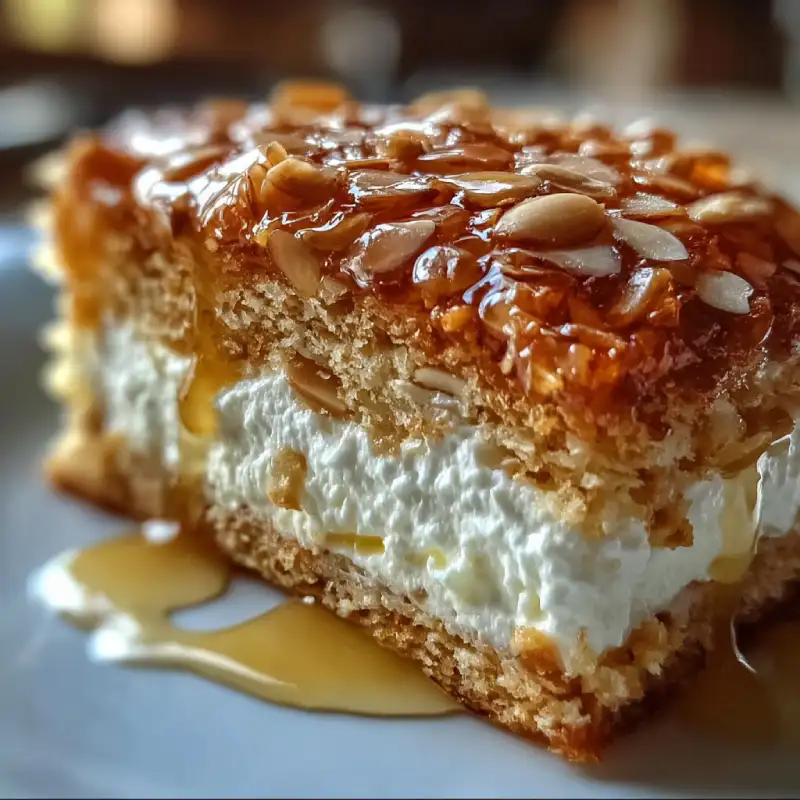
Oh, the German Bee Sting Cake! Just the name, ‘Bienenstich,’ brings a wave of nostalgia and the irresistible aroma of something truly magical from my childhood. Imagine a buttery, slightly sweet yeast dough, pillowy soft, embracing a luxurious, creamy vanilla custard. Then, the grand finale: a shimmering, golden crown of caramelized almonds, perfectly crisp and subtly sweet from honey. It’s a symphony of textures and flavors – the tender crumb, the silken filling, the glorious crunch – that once you experience, you’ll be utterly captivated. This isn’t just any cake; it’s a culinary journey, a hug from the inside out, and a true testament to the beauty of German baking tradition. My Grand姑妈 had a secret recipe, passed down through generations, and let me tell you, it’s the best version you will ever encounter. She always said the secret was in the love, but I suspect it was also in her masterful touch with the yeast dough and her perfectly balanced custard. Every bite is an experience, a memory waiting to be made. If you haven’t tried baking a German Bee Sting Cake before, today is your day. Trust me, you NEED to bake this cake. You won’t regret it. For more easy recipes that bring joy to your kitchen, you can see more good recipes here.
How This German Bee Sting Cake Recipe Works
This German Bee Sting Cake isn’t just a delicious dessert; it’s a marvel of baking engineering. Let’s break down the magic:
- The Tender Yeast Dough Base: Your Foundation: This isn’t a heavy brioche, but a light, elastic yeast dough that provides structure without being dense. It’s enriched just enough with butter and milk to create a soft, flavorful base that perfectly balances the rich filling and topping. This dough is designed to rise beautifully, creating an airy texture that’s pure delight.
- Creamy Vanilla Custard Filling: The Heart of the Cake: Our custard is unbelievably smooth and luscious, infused with real vanilla. It’s thick enough to hold its shape when sliced, yet it melts in your mouth. The secret lies in tempering the eggs and cooking it gently until it reaches the perfect consistency, ensuring no eggy flavor, just pure vanilla bliss.
- Crispy Almond Topping: The Signature ‘Sting’: This is what truly sets the Bee Sting Cake apart. A glorious layer of sliced almonds, caramelized with butter, sugar, and honey, creating an irresistible crunch and a beautiful, golden sheen. It bakes right on top of the dough, infusing it with flavor and texture, and gives the cake its iconic look and namesake ‘sting.’ This topping is a masterful blend of sweet and nutty, providing the perfect counterpoint to the soft dough and creamy filling.
Ingredients and Smart Substitutions for Your Bee Sting Cake
Here is what you need for your perfect German Bee Sting Cake, and why each ingredient plays a crucial role:
Yeast Dough Essentials:
- All-purpose flour: Provides the structure for our tender dough. I always opt for unbleached for better flavor. While cake flour would create a supremely light crumb, it might make the dough a bit delicate to handle. For best results, stick with good quality all-purpose flour.
- Active Dry Yeast: The leavening agent that gives this cake its signature airy texture. Ensure it’s fresh and active for a proper rise. Instant yeast can be used as a 1:1 substitute, often without the need for initial proofing, though I still recommend it for peace of mind.
- Milk: Adds moisture and richness to the dough. Whole milk is preferred for the best flavor and tenderness. You can use 2% milk if that’s what you have on hand, but avoid skim milk for this recipe as it will impact the richness.
- Granulated Sugar: Sweetens the dough and feeds the yeast, aiding in its activation and rise.
- Unsalted Butter: Adds incredible flavor and softness to the dough. Make sure it’s softened to room temperature for easier incorporation. If using salted butter, reduce the added salt in the recipe by a pinch.
- Egg: Enriches the dough, adds moisture, and helps with binding, contributing to a tender crumb. A large egg at room temperature is ideal.
- Salt: Balances the sweetness and enhances the overall flavor of the dough.
Custard Filling Perfected:
- Whole Milk: The base of our creamy custard. The fat content in whole milk is essential for a rich, velvety texture. Skim milk will result in a much thinner, less satisfying custard.
- Large Egg Yolks: Provide richness, color, and thickening power to the custard. Save the whites for another recipe!
- Granulated Sugar: Sweetens the custard to perfection.
- Cornstarch: Our secret weapon for a thick, stable custard. It prevents the custard from becoming runny. You can substitute with an equal amount of all-purpose flour for thickening, but cornstarch typically yields a smoother finish.
- Vanilla Extract: The star flavor of the custard. Use a high-quality pure vanilla extract or even vanilla bean paste for an exquisite aroma and taste. For a true German touch, you could even add a tiny hint of almond extract.
Almond Topping Dominance:
- Sliced Almonds: The essential component for that iconic crunch. Blanched sliced almonds are critical for the right texture and appearance. Do not substitute with slivered almonds, as they are too thin, or whole almonds, which are too thick and hard.
- Unsalted Butter: What makes the topping rich and helps caramelize the almonds.
- Granulated Sugar: Creates the beautiful caramelization.
- Honey: Adds a lovely floral sweetness and contributes to the gorgeous shiny, sticky texture once baked. Maple syrup can be used in a pinch, but honey provides that classic Bee Sting flavor.
How to Make German Bee Sting Cake
Follow these step-by-step instructions to bake your Bee Sting masterpiece:
1. Prepare the Yeast Dough
In a small bowl, proof your active dry yeast by combining it with warm milk (around 105-115°F or 40-46°C) and a pinch of sugar. Let it sit for 5-10 minutes until foamy, indicating the yeast is active. In a large mixing bowl (or stand mixer bowl), combine the flour, remaining sugar, and salt. Add the proofed yeast mixture, softened butter, and egg. Knead with a dough hook on medium speed for 8-10 minutes, or by hand for 10-15 minutes, until the dough is smooth, elastic, and pulls away from the sides of the bowl. Place the dough in a lightly oiled bowl, turn to coat, cover with plastic wrap or a clean kitchen towel, and let it rise in a warm place for 1 to 1.5 hours, or until doubled in size.
2. Craft the Creamy Custard Filling
While the dough rises, prepare the custard. In a medium saucepan, gently heat the milk over medium heat until small bubbles appear around the edges – do not boil. In a separate bowl, whisk together the egg yolks, sugar, and cornstarch until smooth and pale. Gradually temper the hot milk into the egg mixture, whisking constantly to prevent the eggs from scrambling. Pour the mixture back into the saucepan. Cook over medium-low heat, stirring constantly with a whisk, until the custard thickens significantly and coats the back of a spoon (about 5-7 minutes). Remove from heat, stir in the vanilla extract. Pour the custard into a clean bowl, press plastic wrap directly onto the surface to prevent a skin from forming, and chill in the refrigerator for at least 2-3 hours, or until completely cold and firm. This is crucial for a stable filling.
3. Prepare and Bake the Almond Topping
Towards the end of the dough’s first rise, preheat your oven to 350°F (175°C). In a small saucepan, melt the butter, sugar, and honey over medium heat, stirring until the sugar is dissolved. Remove from heat and stir in the sliced almonds. Once the dough has doubled, gently punch it down and press it evenly into a greased 9-inch round springform pan or a 9×13 inch baking dish. Spread the almond topping evenly over the dough. Bake for 30-35 minutes, or until the topping is golden brown and bubbling, and the dough is cooked through. If the topping starts to brown too quickly, loosely tent with foil. Remove from oven and let cool completely on a wire rack.
4. Assemble and Finish Touches
Once the cake base is completely cooled and the custard is thoroughly chilled, carefully remove the cake from the pan. Using a long, serrated knife, carefully slice the cake horizontally in half. Place the bottom half of the cake on your serving platter. Spread the cold, firm vanilla custard evenly over the bottom layer. Gently place the top layer of almond-crusted cake over the custard. You may need to press down very gently to ensure it sits flat. For easier serving and cleaner slices, chill the assembled cake for at least 30 minutes before slicing into wedges or squares. Serve immediately and enjoy the magic!
Expert Tips for German Bee Sting Cake Success
- Dough Rising Secrets: Temperature and Time are Key: Yeast loves warmth! Ensure your milk is the correct temperature (105-115°F/40-46°C) for activating the yeast. A warm, draft-free spot is ideal for rising – my trick is to use a slightly warm oven (turned off, with the light on). Don’t rush the rise; allowing the dough to double slowly develops flavor and texture.
- Preventing Soggy Bottoms: Properly Cooling the Custard: This is paramount! The custard must be completely, thoroughly chilled and firm before you spread it onto the cooled cake. Warm custard will make your cake soggy. Pressing plastic wrap directly onto the surface of the custard as it cools prevents a skin from forming and ensures maximum creaminess.
- Achieving the Perfect Golden Almond Topping: Watch your oven! The topping can go from perfectly golden to burnt in minutes. If it browns too quickly, loosely tent the cake with aluminum foil to give the dough underneath time to cook. The butter and honey will create a beautiful sheen and stickiness – don’t overbake or it will become brittle.
- Troubleshooting Common Bee Sting Cake Issues: If your dough isn’t rising, your yeast might be old or the liquid was too hot/cold. If your custard is lumpy, you likely cooked it too fast; strain it through a fine-mesh sieve for smoothness. If your cake seems dry, it might be overbaked.
What to Serve with Your German Bee Sting Cake
This magnificent German Bee Sting Cake is truly a star on its own, but here are some delightful accompaniments:
- Classic Pairings: Coffee and Tea: A rich, dark roast coffee or a strong, nuanced black tea (like Earl Grey or a Darjeeling) is the quintessential pairing. The slight bitterness of the coffee or tea beautifully cuts through the cake’s sweetness, creating a harmonious balance.
- Elevated Servings: Fresh Berries or a Dollop of Cream: For a touch of freshness and elegance, serve a slice with a light scattering of fresh raspberries or blueberries. The tartness of the berries provides a lovely contrast. A delicate dollop of lightly sweetened whipped cream on the side is also a fantastic addition, adding another layer of creamy indulgence.
Storing and Reheating German Bee Sting Cake
To keep your German Bee Sting Cake tasting its best and ensure food safety (due to the custard), proper storage is key.
- Best Storage Practices: Keeping it Fresh: Store any leftover Bee Sting Cake in an airtight container in the refrigerator. It will stay fresh and delicious for 3-4 days. While it’s best enjoyed on the day it’s made, the flavors meld beautifully overnight. Freezing is generally not recommended for this particular cake due to the delicate nature of the custard and the topping, which can lose its crispness upon thawing.
- Reheating for Optimal Enjoyment: This cake is typically served at room temperature or slightly chilled. If you prefer a warmer cake, you can gently heat individual slices in the microwave for 10-15 seconds, just enough to soften the dough slightly without melting the topping or making the custard too warm. Avoid overheating, as this will detrimentally affect the texture of the custard and the crunch of the almonds.
Frequently Asked Questions About German Bee Sting Cake
Can I make this cake ahead of time?
What kind of almonds should I use?
Why is my dough not rising?
Can I use a different filling?
German Bee Sting Cake (Bienenstich)
- Total Time: 1 minute
- Yield: 12-16 servings
Description
Uncover the secrets to baking the best German Bee Sting Cake with our easy-to-follow, step-by-step guide. Experience the best flavor today with this traditional German dessert.
Ingredients
- For the Yeast Dough:
- 2 ¼ tsp (1 packet) active dry yeast
- ½ cup (120ml) warm whole milk (105-115°F / 40-46°C)
- ⅓ cup (65g) granulated sugar, divided
- 2 ¼ cups (270g) all-purpose flour
- ½ tsp salt
- 6 tbsp (85g) unsalted butter, softened
- 1 large egg, room temperature
- For the Vanilla Custard Filling:
- 2 cups (480ml) whole milk
- 4 large egg yolks
- ½ cup (110g) granulated sugar
- ¼ cup (30g) cornstarch
- 2 tsp pure vanilla extract
- For the Almond Topping:
- 6 tbsp (85g) unsalted butter
- ½ cup (100g) granulated sugar
- 2 tbsp (30ml) honey
- 1 cup (100g) sliced blanched almonds
Instructions
- 1. Prepare the Yeast Dough: In a small bowl, combine yeast, warm milk, and 1 tsp of the sugar. Let sit 5-10 minutes until foamy. In a large bowl, whisk flour, remaining sugar, and salt. Add yeast mixture, softened butter, and egg. Knead (stand mixer or by hand) 8-15 minutes until smooth and elastic. Place in an oiled bowl, cover, and let rise in a warm place for 1-1.5 hours, or until doubled.
- 2. Craft the Creamy Custard Filling: Heat 2 cups milk in a saucepan until simmering. In a separate bowl, whisk egg yolks, sugar, and cornstarch. Gradually whisk hot milk into egg mixture. Return to saucepan and cook over medium-low heat, stirring constantly, until thickened (5-7 minutes). Remove from heat, stir in vanilla. Pour into a clean bowl, cover surface with plastic wrap, and chill completely in the refrigerator for at least 2-3 hours.
- 3. Prepare and Bake the Almond Topping: Preheat oven to 350°F (175°C). In a small saucepan, melt butter, sugar, and honey, stirring until sugar dissolves. Stir in sliced almonds. Once dough has doubled, gently press it into a greased 9-inch springform pan or 9×13 inch baking dish. Spread almond topping evenly over the dough. Bake for 30-35 minutes, or until golden brown and cooked through. Cool completely on a wire rack.
- 4. Assemble and Finish: Once cake base and custard are completely cooled, carefully slice the cake horizontally in half with a serrated knife. Place the bottom half on a serving platter. Spread the cold, firm custard evenly over the bottom layer. Gently place the almond-crusted top layer over the custard. Chill for at least 30 minutes before slicing and serving for best results.
- Prep Time: 45 mins
- Cook Time: 30-35 mins