


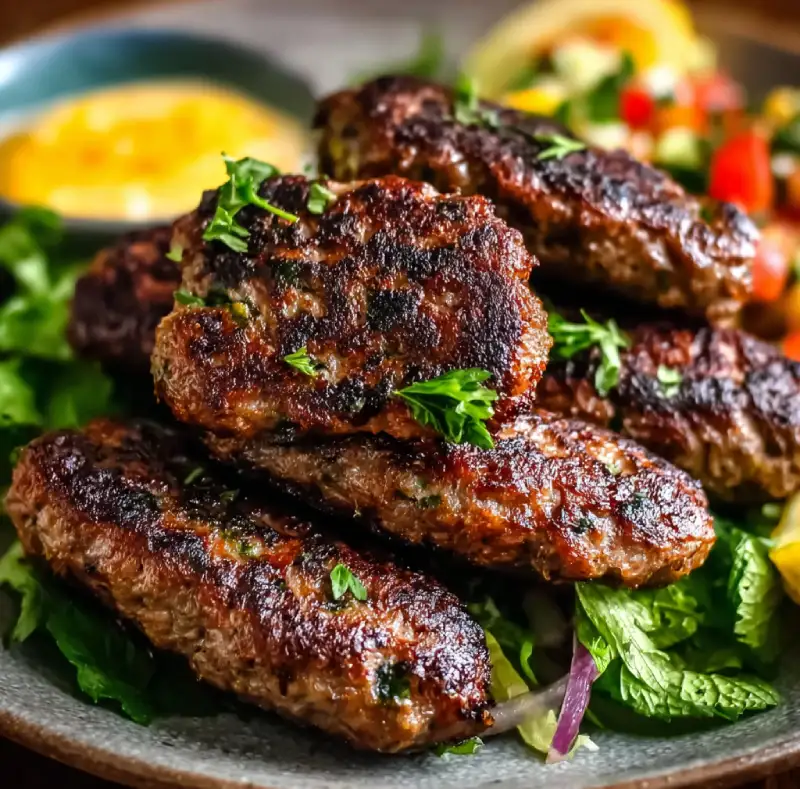
Have you ever bitten into something so delicious, so perfectly seasoned, that it instantly transports you to another place? That’s exactly what happens when you experience authentic Lebanese Kafta. Picture this: succulent, perfectly spiced ground meat, tender on the inside, with a beautiful char outside, bursting with fresh herb flavors. It’s a dish that embodies comfort, tradition, and the vibrant culinary spirit of the Levant. And today, I’m going to share with you the definitive Lebanese Kafta recipe that will make you feel like a seasoned chef, right in your own kitchen! Forget dry, bland meatballs – this kafta is juicy, tender, and ridiculously flavorful. It’s perfect for family dinners, gatherings, or just when you’re craving something truly special. For more amazing recipes that bring global flavors to your table, be sure to explore here.
Table of Contents
Mastering Authentic Lebanese Kafta
Creating truly authentic Lebanese Kafta is an art form that balances robust flavors with a melt-in-your-mouth texture. This is more than just a recipe; it’s a journey into the heart of Lebanese cuisine, where simple ingredients transform into something extraordinary.
Why This Kafta Recipe Works: Texture and Flavor Secrets
- The Perfect Fat-to-Lean Ratio: Our careful selection of ground meat ensures the kafta remains juicy and flavorful, never dry.
- Finely Chopped Aromatics: We go beyond just dicing, ensuring the onions, parsley, and mint are almost paste-like to meld seamlessly with the meat, preventing grittiness and enhancing flavor.
- Strategic Mixing Technique: Overmixing can lead to tough kafta. We’ll guide you through the process to achieve that desirable tender, yet firm, texture.
- Balanced Spice Blend: Our spice combination hits all the right notes, offering warmth and depth without overpowering the fresh herb essence.
Essential Ingredients for Perfect Lebanese Kafta
The magic of a great Lebanese Kafta recipe begins with its components. Each ingredient plays a crucial role in building the layers of flavor and achieving the right consistency.
Ground Meat: Choosing the Right Blend
Ground Beef (80/20 lean-to-fat ratio): This is your primary protein. The 80/20 ratio is crucial because the fat renders down, keeping the kafta incredibly moist and flavorful. Too lean, and your kafta can become dry and crumbly. You can use solely beef, or for an even richer depth, a blend of ground lamb and beef (50/50) is highly recommended. Lamb adds a distinct, traditional Lebanese flavor.
Fresh Herbs: The Kafta Signature
Fresh Parsley (flat-leaf): This herb is non-negotiable. It provides a fresh, clean, slightly peppery flavor and vibrant color. Make sure it’s finely chopped to distribute evenly throughout the mix.
Fresh Mint: A smaller amount of fresh mint adds a wonderful bright, cooling counterpoint to the richness of the meat and spices. It’s subtle but essential for that authentic taste.
Aromatics and Spices: Building Flavor Depth
Onion: Finely grated or puréed, onion provides moisture and a sweet, pungent base. It virtually disappears into the meat, leaving only its delicious essence.
Garlic: Freshly minced garlic is vital for its aromatic punch. Don’t skimp!
Lebanese Seven Spice Blend: This is the secret weapon! A complex mix of spices like allspice, black pepper, cinnamon, cloves, nutmeg, fenugreek, and ginger. It provides warmth, depth, and that unmistakable Middle Eastern flavor. If you can’t find it, a good quality allspice and black pepper blend with a touch of cinnamon can be a decent substitute. Here’s a great example of a homemade Seven Spice Blend you can try.
Salt and Black Pepper: Essential for seasoning and bringing all the flavors to life.
Binders and Essential Additions
Breadcrumbs (optional, but recommended): A small amount of plain breadcrumbs can help bind the mixture and absorb excess moisture, resulting in a more cohesive kafta that’s less likely to fall apart. Panko breadcrumbs also work wonderfully.
Olive Oil: Used for cooking, it helps create that beautiful, irresistible crust.
Step-by-Step: Crafting Your Lebanese Kafta
Preparing the Ingredients for Optimal Flavor
1. Finely Prepare Aromatics
The key to smooth kafta is finely prepared ingredients. Grate your onion using the small holes of a box grater, or pulse it in a food processor until it forms a paste. Mince your garlic very finely. Chop the fresh parsley and mint as finely as possible. Think tiny pieces, almost like a confetti, so they integrate seamlessly into the meat mixture rather than standing out as chunky bits. This ensures uniform flavor distribution and a pleasant texture.
Mixing the Kafta: Technique Matters
2. Combine and Knead Gently
In a large mixing bowl, combine the ground meat (beef, or beef and lamb blend), grated onion, minced garlic, finely chopped parsley, finely chopped mint, Lebanese seven spice blend, salt, and black pepper. If using, add the breadcrumbs. Now, here’s where technique matters: use your hands to gently, but thoroughly, mix all the ingredients. The goal is to fully incorporate everything without overworking the meat. Think of it like kneading dough lightly. You want to mix until just combined and sticky, about 2-3 minutes. Overmixing can lead to tough kafta, so stop as soon as it’s homogenous.
Forming the Kafta: Grilling, Baking, or Frying
3. Shape Your Kafta
Divide the meat mixture into equal portions, about 2-3 tablespoons each. For traditional cylindrical kafta, moisten your hands with a little water or oil. Take a portion and shape it into a small log, about 3-4 inches long and 1-inch thick. You can also form them into patties, like small burgers. Ensure they are compact and firm to prevent them from breaking apart during cooking. Place the formed kafta on a parchment-lined baking sheet as you work.
Cooking Your Kafta to Perfection
4. Cook to Juicy Perfection
You have a few excellent options for cooking your kafta:
- Grilling: Preheat your grill to medium-high heat. Lightly brush the kafta with olive oil and grill for 3-4 minutes per side, or until beautifully charred and cooked through.
- Baking: Preheat oven to 400°F (200°C). Arrange kafta on a baking sheet lined with parchment paper. Bake for 15-20 minutes, flipping halfway, until browned and cooked through.
- Pan-Frying: Heat a skillet over medium-high heat with a tablespoon of olive oil. Add kafta in batches, being careful not to overcrowd the pan. Cook for about 4-5 minutes per side, until golden brown and cooked through.
Internal temperature should reach 160°F (71°C) for beef or lamb. Don’t overcook, or they’ll lose their juiciness!
Expert Tips for Lebanese Kafta Success
- Preventing Dry Kafta: Always use ground meat with at least 20% fat content. Avoid overcooking; kafta cooks relatively quickly. A small amount of grated tomato added to the mix can also provide extra moisture.
- Achieving the Best Texture: Don’t overmix the meat! Mix just until combined. Finely grate or finely chop your aromatics (onion, parsley, mint) to ensure they blend seamlessly into the meat without creating an unpleasant texture.
- Flavor Enhancements: For an extra layer of flavor, try soaking a slice of white bread in milk, squeezing out the excess, and crumbling it into the meat mixture. This makes the kafta incredibly tender. A pinch of Aleppo pepper can add a mild, fruity heat.
- Troubleshooting Common Kafta Issues: If your kafta is falling apart, your mixture might be too loose or lacking enough fat. Add a tablespoon of breadcrumbs or an egg yolk to help bind it. If it’s tough, you likely overmixed the meat; a lighter touch next time will yield a more tender result.
What to Serve with Your Lebanese Kafta
Lebanese Kafta is incredibly versatile and pairs beautifully with a variety of sides, creating a complete and satisfying meal.
Traditional Sides
- Tabouli: This fresh, vibrant parsley and bulgur salad is a classic accompaniment, offering a perfect counterpoint to the rich kafta.
- Fattoush: Another refreshing salad featuring mixed greens, vegetables, and toasted pita bread, dressed with a tangy sumac vinaigrette.
- Rice Pilaf: Simple, fluffy rice pilaf with vermicelli noodles is a comforting and common side.
- Grilled Vegetables: Think grilled tomatoes, onions, bell peppers, or zucchini, which complement the smoky flavor of grilled kafta.
Sauce Pairings
- Tahini Sauce: A creamy, nutty tahini sauce (tahini, lemon juice, garlic, water) is a staple for kafta.
- Yogurt Sauce: A simple garlic-yogurt sauce (plain yogurt, minced garlic, dried mint) adds a cool, tangy element.
- Hummus: While a dip, hummus makes an excellent base or side for kafta.
Bread and Grains
- Pita Bread: Essential for scooping up the kafta and sauces. Warm it slightly before serving.
- Lavash Bread: A thin, soft flatbread that can also be used for wrapping.
Storing and Reheating Lebanese Kafta
Refrigeration Guidelines
Cooked Lebanese Kafta can be stored in an airtight container in the refrigerator for up to 3-4 days. Ensure it cools completely before refrigerating to prevent condensation.
Freezing Instructions
Kafta freezes wonderfully, both cooked and uncooked. To freeze raw kafta, arrange the formed logs or patties on a baking sheet and freeze until solid (1-2 hours). Once frozen, transfer them to a freezer-safe bag or container, separating layers with parchment paper, for up to 3 months. When ready to cook, you can often cook them directly from frozen, adding an extra few minutes to the cooking time. Cooked kafta can also be frozen in an airtight container for up to 2-3 months. Thaw overnight in the refrigerator before reheating.
Best Reheating Methods
- Oven: For best results, reheat cooked kafta in an oven preheated to 300-325°F (150-160°C) for 10-15 minutes, until heated through. This helps maintain moisture and a slight crispness.
- Skillet: Quickly reheat in a lightly oiled skillet over medium heat for a few minutes per side, until warmed through.
- Microwave: While convenient, microwaving can sometimes make kafta a little rubbery. If using, heat in short bursts (30-60 seconds) until just warm.
Lebanese Kafta Recipe FAQs
Can I use different types of meat?
What’s the best way to prevent the kafta from falling apart?
Can I prepare kafta ahead of time?
Is kafta spicy?
Delicious Lebanese Kafta Recipe: Your Step-by-Step Guide
- Total Time: 5 minute
- Yield: 4-6 servings
Description
Learn how to make the best Lebanese Kafta recipe with our easy-to-follow, step-by-step guide. Experience the best flavor of this traditional dish!
Ingredients
- 1.5 lbs (680g) ground beef (80/20 lean-to-fat ratio), or 50/50 blend of beef and lamb
- 1 large onion, finely grated or puréed
- 1/2 cup fresh flat-leaf parsley, very finely chopped
- 2 tablespoons fresh mint, very finely chopped
- 3 cloves garlic, minced
- 2 teaspoons Lebanese seven spice blend
- 1 teaspoon salt (or to taste)
- 1/2 teaspoon black pepper (or to taste)
- 2 tablespoons plain breadcrumbs (optional, for binding)
- Olive oil, for cooking
Instructions
- 1. Prepare Aromatics: Grate the onion, mince the garlic, and finely chop the parsley and mint. Ensure they are as fine as possible for smooth kafta.
- 2. Combine Ingredients: In a large mixing bowl, combine the ground meat, grated onion, minced garlic, finely chopped parsley, finely chopped mint, Lebanese seven spice blend, salt, black pepper, and optional breadcrumbs.
- 3. Mix Gently: Using your hands, gently mix all ingredients until just combined and sticky. Be careful not to overmix, as this can make the kafta tough.
- 4. Form Kafta: Divide the mixture into equal portions (about 2-3 tablespoons each). Moisten your hands and shape each portion into a 3-4 inch long, 1-inch thick log or a small patty. Place on a parchment-lined baking sheet.
- 5. Cook Kafta: Preheat your grill to medium-high, oven to 400°F (200°C), or heat a skillet with olive oil over medium-high heat.
- 6. Cook to Perfection: Grill for 3-4 minutes per side until charred and cooked through. Bake for 15-20 minutes, flipping halfway. Pan-fry for 4-5 minutes per side until golden brown and cooked through. Ensure internal temperature reaches 160°F (71°C). Serve immediately.
- Prep Time: 20 mins
- Cook Time: 15-20 mins