


Table of Contents
- Intro: Filet-O-Fish Sliders – Your Homemade Fast Food Favorite
- How This Recipe Works: Crispy, Tangy, and Perfectly Balanced
- Ingredients and Substitutions: Building Your Better Filet-O-Fish
- Step-by-Step Instructions: Your Guide to Perfect Filet-O-Fish Sliders
- Expert Tips for Success: Elevate Your Sliders
- What to Serve With Your Filet-O-Fish Sliders
- Storing and Reheating Your Sliders
- Filet-O-Fish Sliders FAQ
Intro: Filet-O-Fish Sliders – Your Homemade Fast Food Favorite
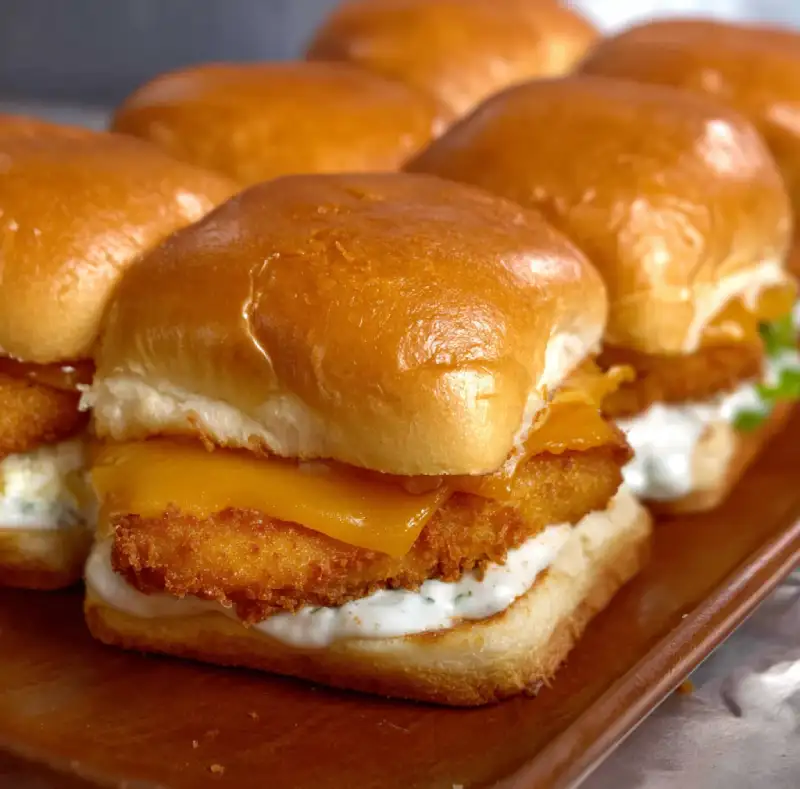
Get ready to bite into pure, unadulterated comfort! We’re diving deep into the art of crafting your very own Filet-O-Fish Sliders at home. Forget the drive-thru; these miniature masterpieces deliver the same iconic taste you crave, but with a freshness and quality that simply can’t be matched by any fast-food chain. Imagine perfectly crispy fish, hugged by a soft, warm bun, and brightened by a zesty, creamy tartar sauce – it’s a symphony of textures and flavors in every bite. Whether you’re whipping up a quick weeknight dinner, planning an impressive appetizer spread, or gearing up for game day, these sliders are a guaranteed crowd-pleaser. They’re delightfully easy to make, incredibly satisfying, and destined to become a new family favorite. For more good recipes and culinary inspiration, come explore our site! You’ll be amazed at how simple it is to upgrade your favorite fast-food treat into something truly extraordinary.
How This Recipe Works: Crispy, Tangy, and Perfectly Balanced
- Golden Perfection Every Time: Our simple yet effective breading and frying method ensures each fish fillet emerges wonderfully crispy and golden, not greasy, creating that satisfying crunch without fail.
- The Ultimate Flavor Harmony: We strike the perfect balance between the rich, savory fried fish and a vibrant, tangy homemade tartar sauce, creating a complex flavor profile that delights the palate.
- Softness Meets Structure: Utilizing premium slider buns provides the ideal soft, slightly sweet foundation, robust enough to hold all the delicious fillings without falling apart, ensuring a perfect bite every time.
- Effortless Assembly: Designed for convenience, this recipe boasts straightforward steps and minimal fuss, making it completely weeknight-friendly and perfect for busy schedules without compromising on taste.
Ingredients and Substitutions: Building Your Better Filet-O-Fish
Here is what you need and why:
White Fish Fillets: The heart of our Filet-O-Fish Sliders! I highly recommend using firm, flaky white fish like cod, pollock, or haddock. These varieties hold up well to frying and have a mild flavor that pairs beautifully with the tartar sauce. Don’t shy away from frozen fish; just make sure to thaw it completely and pat it very dry before breading. Quality fish makes all the difference in achieving that tender, juicy interior.
Breading Station Essentials: You’ll need three key components for that signature crispy coating. All-purpose flour creates the first layer for the egg to adhere to. Eggs, whisked with a splash of water or milk, acts as the crucial binder. For superior crunch, Panko breadcrumbs are non-negotiable! Their irregular shape and larger flakes create an incredibly light and crispy crust. If you don’t have Panko, regular breadcrumbs will work but won’t be quite as airy. For a gluten-free option, look for gluten-free Panko or finely crushed cornflakes.
Slider Buns: A Filet-O-Fish is only as good as its bun! Brioche or potato rolls are my top picks because their slight sweetness and incredibly soft, fluffy texture complement the savory fish perfectly. They toast beautifully and provide the ideal mouthfeel. Standard dinner rolls can be a bit too dense or dry, so opt for something richer if possible.
Tartar Sauce: This tangy condiment is non-negotiable for authentic Filet-O-Fish Sliders! For the best flavor, make your own. Start with good quality, full-fat mayonnaise – it’s the creamy base. Dill pickle relish (or finely minced dill pickles) provides that essential tangy crunch. If you prefer a sweeter profile, go for sweet relish, but dill is traditional. Freshly chopped dill, though optional, truly elevates the sauce with its bright, herbaceous notes. A squeeze of fresh lemon juice is key to brightening everything up. While store-bought tartar sauce can be a time-saver, the homemade version is a game-changer.
Cheese Slices: For that classic melt and undeniable creamy texture, nothing beats a slice of processed American cheese. It melts beautifully over the hot fish, adding a subtle tang. If you prefer a sharper flavor, a thin slice of mild cheddar would also work, but American cheese is what gives it that nostalgic fast-food charm.
Oil for Frying: You’ll need a neutral-flavored oil with a high smoke point for frying. Canola, vegetable, or peanut oil are excellent choices. Using an oil with a high smoke point prevents it from breaking down and imparting off-flavors to your fish, ensuring a clean, crispy fry.
Salt and Pepper: Don’t underestimate the power of proper seasoning! Season at each stage – the fish itself, the flour, and even the Panko – for maximum flavor penetration.
Step-by-Step Instructions: Your Guide to Perfect Filet-O-Fish Sliders
Follow these step-by-step photos:
1. Prepare the Fish
Begin by gently patting your fish fillets completely dry with paper towels. This is crucial for crispiness and adhesion of the breading. Season both sides generously with salt and fresh black pepper. Using a sharp knife, cut the fillets into pieces that will fit neatly onto your slider buns – aim for roughly 2×3-inch pieces. If using frozen fish, ensure it’s fully thawed before this step.
2. Set Up the Breading Station
Prepare three shallow dishes or plates. In the first, place your all-purpose flour seasoned with a pinch of salt and pepper. In the second, whisk the eggs with a tablespoon of water or milk until well combined. In the third, spread out your Panko breadcrumbs, again, seasoned lightly with salt and pepper. This organized station makes the breading process smooth and efficient.
3. Bread the Fish
Working one piece at a time, dredge each fish piece first in the seasoned flour, ensuring it’s fully coated. Shake off any excess flour. Next, dip the floured fish into the egg wash, allowing any extra to drip off. Finally, press the fish into the Panko breadcrumbs, coating thoroughly on all sides. Gently press with your hands to ensure the Panko adheres well. Place the breaded fish on a wire rack while you prepare the others.
4. Fry the Fish
Pour about 1 inch of neutral oil (canola, vegetable, or peanut) into a heavy-bottomed skillet or Dutch oven. Heat the oil over medium-high heat until it reaches 350-375°F (175-190°C). If you don’t have a thermometer, a small piece of Panko should sizzle immediately when dropped in. Carefully place a few breaded fish pieces into the hot oil, ensuring not to overcrowd the pan. Fry for 2-3 minutes per side, or until golden brown and cooked through. The fish should flake easily with a fork. Transfer the fried fish to a wire rack set over paper towels to drain excess oil. Season immediately with a sprinkle of salt.
5. Prepare the Tartar Sauce and Assemble
While the fish fries, combine the mayonnaise, dill pickle relish, fresh dill (if using), and lemon juice in a small bowl. Stir until well blended and taste, adjusting seasoning as needed. Optionally, lightly toast your slider buns in a dry skillet or under the broiler for a minute – this adds warmth and texture. To assemble your Filet-O-Fish Sliders, spread a generous spoonful of homemade tartar sauce on the bottom bun. Top with a hot, crispy fish fillet, immediately followed by a slice of American cheese so it melts slightly. Place the top bun, and serve these delightful sliders hot! Visit Food Network for more tartar sauce inspiration!
Expert Tips for Success: Elevate Your Sliders
- Don’t Overcrowd the Pan: Frying in batches is crucial. Overcrowding lowers the oil temperature, leading to soggy, oily fish instead of perfectly crispy fillets. Give each piece space to breathe!
- Season Generously at Each Stage: bland fish is a cardinal sin! Don’t just season the fish; add salt and pepper to your flour and Panko too. This builds layers of flavor throughout the coating.
- Pat Fish Bone Dry: This step cannot be stressed enough! Excess moisture creates steam, which prevents breading from sticking and results in a less crispy crust. Dry fish = crispy fish.
- Homemade Tartar Sauce is a Game-Changer: While store-bought works, taking five minutes to whip up your own tartar sauce using fresh ingredients elevates the entire slider to another level of deliciousness.
- Warm or Toast the Buns: A quick toast or warm-up in the oven for your slider buns makes a huge difference in texture and enhances the overall eating experience. It adds a subtle crispness and warmth.
- Use a Thermometer for Frying: For consistently perfect frying, an oil thermometer is your best friend. Maintaining the ideal oil temperature (350-375°F) is key to crispy, cooked-through fish without it becoming greasy or undercooked.
What to Serve With Your Filet-O-Fish Sliders
These Filet-O-Fish Sliders are fantastic on their own, but pairing them with the right sides takes the meal from great to unforgettable! For that classic fast-food feel, a hefty serving of crispy fries or tater tots is always a hit. If you’re looking for something fresh and crunchy to cut through the richness, a vibrant and tangy coleslaw is an absolute winner. For a lighter touch, a simple green salad with a bright vinaigrette provides a nice contrast. And for those who love all things fried, a side of perfectly golden onion rings makes for an indulgent and satisfying combination!
Storing and Reheating Your Sliders
To ensure your Filet-O-Fish Sliders retain their delicious qualities, it’s best to store the components separately. Keep any leftover fried fish in an airtight container in the refrigerator for up to 2-3 days. Store the tartar sauce in a separate sealed container. The buns can be kept at room temperature. When reheating the fried fish, the best way to regain its crispness is in an air fryer at 350°F (175°C) for 5-7 minutes, or in a conventional oven at 375°F (190°C) for 8-12 minutes, until heated through and crispy. We do not recommend reheating assembled sliders, as the buns tend to get soggy and the cheese can become rubbery. It’s always best to assemble fresh for maximum enjoyment!
Frequently Asked Questions
Can I bake or air fry the fish instead of frying?
Absolutely! For a lighter option, you can air fry or bake the fish. To air fry, preheat to 400°F (200°C), lightly spray the breaded fish with oil, and cook for 8-12 minutes, flipping halfway, until golden and cooked through. For baking, preheat your oven to 425°F (220°C), lightly spray the fish, and bake for 15-20 minutes, flipping once, until crisp and golden. While these methods are healthier, direct frying generally yields the crispiest result. What’s the best fish to use for this recipe?
The best fish to use for Filet-O-Fish Sliders is a firm, white, flaky fish with a mild flavor. Cod is a classic choice, offering a nice balance of texture and taste. Pollock is another excellent, budget-friendly option often used in commercial fish sandwiches. Haddock also works beautifully. Avoid overly delicate or strong-flavored fish, as they might not hold up well to frying or could overpower the sliders. How can I make the tartar sauce dairy-free?
Making the tartar sauce dairy-free is simple! Just ensure you use a good quality dairy-free mayonnaise as your base. The other ingredients (dill relish, fresh dill, lemon juice, salt, and pepper) are naturally dairy-free. Can I prepare any components ahead of time?
Yes, you can! The tartar sauce can be made a day or two in advance and stored in an airtight container in the refrigerator. You can also bread the fish up to a few hours ahead of time; keep it on a wire rack in the refrigerator, uncovered, to prevent the breading from getting soggy. Fry just before serving for best results. Why is my fish not crispy?
Several factors can lead to non-crispy fish. The most common culprits are not patting the fish dry enough before breading (moisture creates steam), breading that isn’t pressed firmly enough onto the fish, or oil that isn’t hot enough. Make sure your oil is consistently between 350-375°F (175-190°C), and don’t overcrowd the pan, as this significantly drops the oil temperature. Using Panko breadcrumbs instead of regular breadcrumbs also contributes significantly to crispiness.
Print