


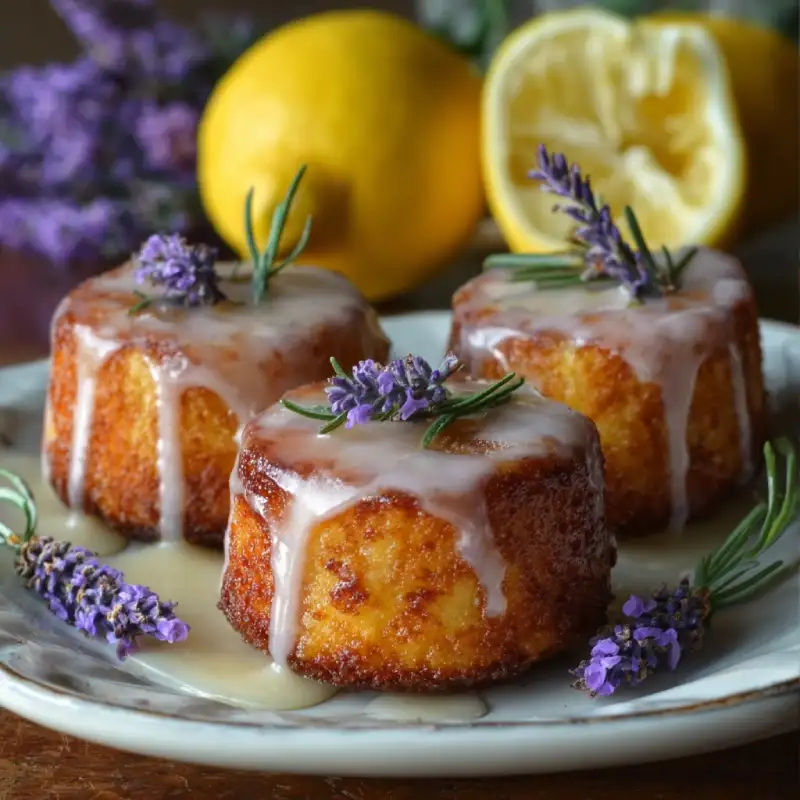
Elevate Your Baking: Mini Lemon Cakes with Lavender Glaze
Oh, prepare yourselves for a truly delightful baking experience! Today, we’re diving into the enchanting world of mini lemon cakes with lavender glaze. Imagine biting into a cake that’s perfectly moist, bursting with bright, tangy lemon, and then, a delicate, floral whisper of lavender dances on your palate. It’s an otherworldly combination that feels sophisticated, yet utterly comforting. These individual treats are not just cakes; they’re tiny moments of edible joy, perfect for any occasion when you want to impress without overwhelming. Trust me, once you make these, you’ll wonder where they’ve been all your life. For more delightful dessert ideas, why not See more good recipes here!
Why This Recipe Delivers Perfect Mini Cakes
- Unbeatable Moisture: We use a careful balance of wet ingredients and proper mixing techniques to ensure each mini cake is incredibly tender and never dry.
- Balanced Flavor Profile: The lemon is vibrant but not overpowering, perfectly complemented by the subtle, aromatic lavender, creating a harmonious taste sensation.
- Individual Portions: Mini cakes mean no slicing required, making them ideal for gatherings, gifting, or an elegant personal indulgence.
- Relatively Quick Bake Time: Because they’re mini, these beauties bake up faster than a standard cake, getting you to deliciousness sooner!
The Magic of Lemon and Lavender Together
The pairing of lemon and lavender is a culinary match made in heaven. Lemon offers that refreshing, zesty kick that awakens the senses, while lavender brings a gentle, soothing, and subtly floral note. Together, they create a flavor profile that is both uplifting and calming, making these mini cakes truly unforgettable.
How This Recipe Works: Texture and Flavor Harmony
Achieving a Tender and Moist Crumb Every Time
The secret to a tender, moist crumb lies in several key techniques we’ll employ. First, we start with room temperature ingredients, which emulsify better, creating a smoother batter. Second, creaming butter and sugar properly incorporates air, leading to a lighter texture. Finally, and perhaps most crucially, is avoiding overmixing the batter. Overmixing develops gluten too much, resulting in a tough cake.
The Bright Zest of Lemon
For these mini lemon cakes with lavender glaze, we’re harnessing the power of fresh lemon zest and juice. The zest is where most of the lemon oil (and thus, the most intense lemon flavor) resides. Don’t skip it! We infuse both the cake and the glaze with fresh lemon to ensure that vibrant, sunny taste shines through.
Subtle Aromatic Lavender Infusion
The lavender in this recipe is meant to be a delicate background note, a gentle perfume rather than an overwhelming floral punch. We achieve this by infusing the glaze with culinary lavender. This method allows the subtle aroma to bloom without any bitterness.
Balancing Sweetness with Tang
A truly great lemon cake perfectly balances sweetness with a delightful tang. Our recipe does exactly that. The sugar content is carefully measured to complement the lemon’s acidity, ensuring a cake that is neither too tart nor cloyingly sweet.
Ingredients and Substitutions: Your Baking Toolkit
Here is what you need and why:
All-Purpose Flour: This forms the structure of our cakes. I recommend unbleached all-purpose flour for a slightly finer texture. For a gluten-free option, a 1:1 gluten-free baking blend that contains xanthan gum works wonderfully here. You might notice a slightly denser crumb, but the flavor will still be fantastic.
Granulated Sugar: Our primary sweetener. It also helps with browning and moisture retention. For a slightly different twist, you could experiment with superfine sugar for a lighter texture.
Baking Powder & Baking Soda: Our leavening agents! Baking powder provides lift, making the cakes light and airy, while baking soda reacts with the lemon juice for an extra boost and tender crumb. Ensure yours are fresh for optimal results!
Salt: A crucial flavor enhancer! Just a pinch balances the sweetness and makes all the other flavors sing. Don’t ever skip the salt in baking!
Unsalted Butter: Provides richness and contributes to the moist texture. Using unsalted butter allows you to control the total salt content in the recipe. If you only have salted butter, omit the added salt from the recipe. For a dairy-free option, use a good quality plant-based butter substitute, ensuring it’s suitable for baking.
Large Eggs: Binds the ingredients, adds richness, and contributes to the cake’s structure. Ensure they are at room temperature for better emulsification. For an egg-free option, you could try flax eggs (1 tbsp ground flaxseed + 3 tbsp water per egg, let sit for 5 minutes), though the texture might be slightly different.
Buttermilk (or Milk + Lemon Juice): Adds tenderness and moisture, and its acidity reacts with the baking soda. If you don’t have buttermilk, you can easily make your own by adding 1 tablespoon of fresh lemon juice or white vinegar to regular milk (dairy or non-dairy), letting it sit for 5-10 minutes until it curdles slightly. This is an excellent dairy-free substitute for buttermilk as well!
Why Fresh Lemon Zest and Juice are Crucial
Using freshly zested lemon elevates these cakes from good to extraordinary. The zest contains essential oils that carry the most intense lemon flavor, far superior to bottled lemon juice or extracts. We use both the zest in the cake batter and the juice in the glaze to achieve a bright, authentic lemon taste that truly stands out.
The Role of Culinary Lavender in the Glaze
Culinary lavender is specifically grown and prepared for eating, ensuring it’s free from pesticides and has a palatable flavor. It provides a subtle, sophisticated floral note to the glaze that perfectly complements the lemon. Make sure to use culinary-grade lavender – don’t just grab sachets from the craft store!
Step-by-Step Instructions: Baking Your Mini Lemon Cakes
Follow these step-by-step instructions to bake your way to perfection:
1. Prepare Your Pan and Oven
Preheat your oven to 350°F (175°C). Grease and flour a 12-cup mini cake or muffin pan, or line with paper liners if using a muffin pan. This ensures the cakes won’t stick and come out cleanly. Don’t skip this important step; a little preparation goes a long way!
2. Mix the Wet Ingredients
In a large bowl, cream together the softened unsalted butter and granulated sugar until light and fluffy. This can take 2-3 minutes with an electric mixer. Beat in the room temperature eggs one at a time, ensuring each is fully incorporated before adding the next. Stir in the fresh lemon zest. The mixture should be pale and airy.
3. Combine Dry and Wet Ingredients
In a separate medium bowl, whisk together the all-purpose flour, baking powder, baking soda, and salt. Add about one-third of the dry ingredients to the wet ingredients, mixing on low speed until just combined. Next, pour in half of the buttermilk, mixing until just incorporated. Alternate with the remaining dry ingredients and buttermilk, ending with the dry. Mix until *just* combined; a few streaks of flour are okay. Overmixing will lead to tough cakes!
4. Bake to Golden Perfection
Divide the batter evenly among the prepared mini cake cups. Bake for 18-22 minutes, or until the tops are golden brown and a toothpick inserted into the center of a cake comes out clean. Let the cakes cool in the pan for 5 minutes before carefully transferring them to a wire rack to cool completely. This is a crucial step before glazing!
5. Craft the Aromatic Lavender Glaze
While the cakes cool, prepare the glaze. In a small saucepan, combine the powdered sugar, fresh lemon juice, and culinary lavender. Heat over low heat, stirring constantly, until the powdered sugar is dissolved and the glaze is smooth. Be careful not to boil; you’re just gently warming it to infuse the lavender flavor. Strain the glaze through a fine-mesh sieve to remove the lavender buds, then let it cool slightly. If it’s too thick, add a tiny bit more lemon juice; if too thin, a bit more powdered sugar. For inspiration, check out King Arthur Baking’s Lavender Recipes for more ways to use this lovely herb.
6. Glazing and Finishing Your Mini Cakes
Once the mini cakes are completely cool, spoon or drizzle the lavender glaze over the tops. You can do a full dip, a drizzle, or a thick dollop – whatever appeals to you! Allow the glaze to set for about 15-20 minutes before serving. Optionally, garnish with a tiny sprig of fresh lavender or a sprinkle of additional lemon zest for an extra touch of elegance.
Expert Tips for Success: Flawless Mini Cakes Every Time
- Measure with Precision: Especially with flour, use a kitchen scale for the most accurate measurements. If you don’t have one, spoon flour into your measuring cup and level it off with a straight edge; don’t pack it in!
- Room Temperature Ingredients are Key: Butter, eggs, and buttermilk should all be at room temperature. This allows them to emulsify properly, creating a smoother, more uniform batter and a finer crumb.
- Do NOT Overmix: Once you add the dry ingredients, mix only until just combined. Overmixing develops gluten, which can lead to tough, dry cakes. A few streaks of flour are okay; they’ll disappear during baking.
- The Toothpick Test: To check for doneness, insert a toothpick into the center of a cake. If it comes out clean or with a few moist crumbs attached, it’s ready. If it’s wet, bake for a few more minutes.
- Cool Completely Before Glazing: Glazing warm cakes will cause the glaze to melt and run off, creating a messy rather than elegant finish. Patience, my friends!
What to Serve With Your Mini Lemon Cakes
Perfect Pairings for Brunch
These mini lemon cakes with lavender glaze are an absolute dream for brunch. Serve them alongside a fresh fruit platter, a light quiche, or some perfectly scrambled eggs for a balanced and elegant meal. A mimosa or a sparkling elderflower cordial would be a wonderful complementary beverage.
Ideal Companions for Afternoon Tea
For an elegant afternoon tea, these cakes are simply divine. Pair them with English breakfast tea, Earl Grey, or even a fragrant herbal tea to enhance the floral notes. Cucumber sandwiches and small scones would round out a sophisticated tea spread.
Dessert Platter Enhancements
On a dessert platter, these mini cakes add a burst of color and brightness. Arrange them with chocolate truffles, fresh berries, or perhaps some delicate shortbread cookies for a varied and visually appealing dessert spread.
Storing and Reheating Your Mini Lemon Cakes
Best Practices for Freshness (Room Temperature vs. Refrigeration)
Once glazed, your mini lemon cakes with lavender glaze are best stored in an airtight container at room temperature for up to 2-3 days. If your kitchen is particularly warm or humid, or if you plan to keep them longer, refrigeration is an option, though it can sometimes dry out cakes slightly. If refrigerating, bring them back to room temperature before serving for the best texture and flavor.
Freezing for Longer Enjoyment
Yes, these cakes are freezer-friendly! For best results, freeze them *before* glazing. Once completely cooled, wrap each cake individually in plastic wrap, then place them in an airtight freezer-safe container or bag for up to 2-3 months. You can also freeze them glazed, but the glaze might become a little less pristine upon thawing.
Tips for Gentle Thawing and Refreshing
To thaw unglazed frozen cakes, simply remove them from the freezer and let them sit at room temperature for a couple of hours. Once thawed, you can then prepare and apply the lavender glaze. If you froze them glazed, thaw them in the refrigerator overnight, then let them come to room temperature for about 30 minutes before serving.
Frequently Asked Questions About Mini Lemon Cakes
Can I use dried lavender if I don’t have culinary lavender?
How do I prevent the cakes from sticking to the pan?
Can I make these into a larger cake instead of mini cakes?
What if my glaze is too thin or too thick?
Are these cakes freezer-friendly?
Delicious Mini Lemon Cakes with Lavender Glaze Recipe
- Total Time: 40 minutes
- Yield: 12 mini cakes
Description
These delightful mini lemon cakes are bursting with bright citrus flavor, complemented by a delicate, aromatic lavender glaze. Perfect for any occasion, they’re surprisingly easy to make and guaranteed to impress.
Ingredients
- 1 ½ cups (180g) All-Purpose Flour
- 1 tsp Baking Powder
- ½ tsp Baking Soda
- ¼ tsp Salt
- ½ cup (113g) Unsalted Butter, softened
- 1 cup (200g) Granulated Sugar
- 2 Large Eggs, room temperature
- 1 tbsp Fresh Lemon Zest
- ½ cup (120ml) Buttermilk, room temperature
- For the Lavender Glaze:
- 1 ½ cups (180g) Powdered Sugar
- 3 tbsp Fresh Lemon Juice
- ½ tsp Culinary Lavender buds
Instructions
- 1. Prepare Oven & Pan: Preheat oven to 350°F (175°C). Grease and flour a 12-cup mini cake or muffin pan.
- 2. Cream Wet Ingredients: In a large bowl, cream softened butter and granulated sugar until light and fluffy (2-3 mins). Beat in eggs one at a time, then stir in lemon zest.
- 3. Combine Dry & Wet: In a separate bowl, whisk together flour, baking powder, baking soda, and salt. Gradually add dry ingredients to wet, alternating with buttermilk, mixing until just combined. Do not overmix.
- 4. Bake Mini Cakes: Divide batter into prepared pan. Bake for 18-22 minutes, or until golden and a toothpick comes out clean. Cool in pan for 5 minutes, then transfer to a wire rack to cool completely.
- 5. Make Lavender Glaze: In a small saucepan, combine powdered sugar, lemon juice, and culinary lavender. Heat over low, stirring, until sugar dissolves. Strain to remove lavender. Let cool slightly.
- 6. Glaze & Serve: Once cakes are completely cool, spoon or drizzle glaze over each. Let glaze set before serving.
- Prep Time: 20 mins
- Cook Time: 20 mins