


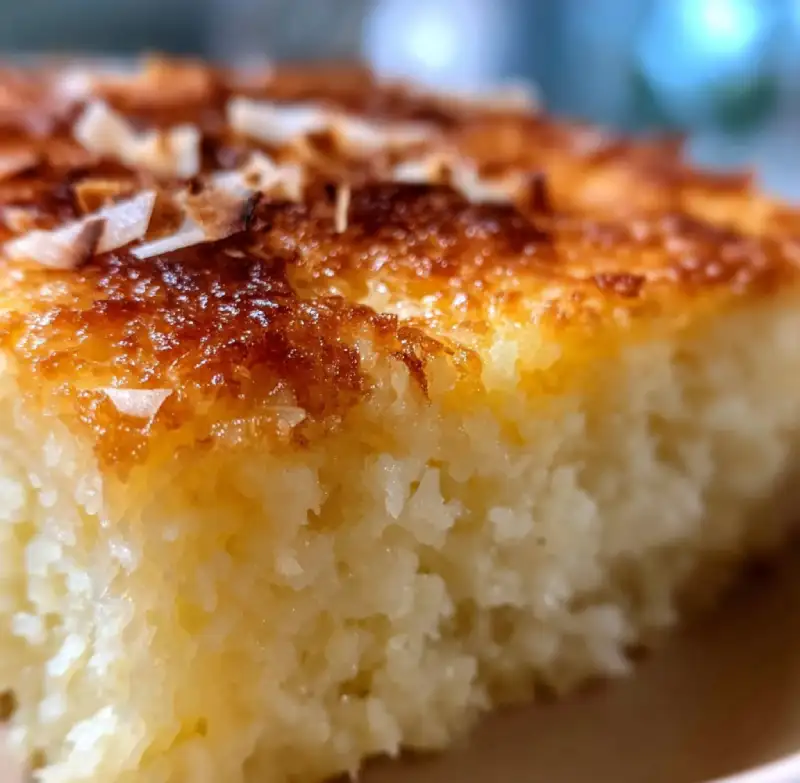
Bibingka: 7 Amazing Filipino Coconut Cake Recipes
Table of Contents
- Introduction to the Sweet World of Bibingka
- Why You’ll Love These 7 Amazing Filipino Coconut Cake Recipes
- Understanding the Core Ingredients of Bibingka
- Essential Equipment for Perfect Bibingka
- The Classic Bibingka Recipe: A Step-by-Step Guide
- Exploring 6 More Delicious Bibingka Variations
- Expert Tips for the Best Bibingka Every Time
- Serving Suggestions and Pairings
- Frequently Asked Questions About Bibingka
Welcome to the enchanting world of Bibingka, the beloved Filipino coconut cake! This traditional delicacy holds a special place in the hearts of Filipinos, often enjoyed during the Christmas season but perfect any time of year. Its unique blend of sweet, smoky, and rich flavors makes it an unforgettable treat.
In this post, we’ll dive deep into the origins and preparation of this delightful dessert. Get ready to explore the magic behind this iconic Filipino food.
Introduction to the Sweet World of Bibingka
Bibingka is a traditional Filipino baked rice cake, known for its soft, spongy texture and slightly smoky flavor. It’s typically cooked in a clay pot lined with banana leaves over hot coals, achieving a unique aroma and taste that’s hard to replicate.
While the classic version is iconic, the beauty of this Filipino dessert lies in its versatility. There are countless regional variations, each offering a slightly different take on this cherished rice cake. It’s a true staple of Filipino baking.
Why You’ll Love These 7 Amazing Filipino Coconut Cake Recipes
You’ll fall in love with these recipes for their delicious flavors, ease of preparation (even for beginners!), and the joy they bring. From the classic preparation to modern twists, there’s a Bibingka for every palate.
Making your own Bibingka at home is a rewarding experience, connecting you to a rich culinary heritage. These recipes are designed to help you succeed, whether you have a special clay pot or are using a conventional oven.
Bibingka is more than just a cake; it’s a symbol of Filipino tradition and togetherness.
Understanding the Core Ingredients of Bibingka
At its heart, Bibingka is simple, yet the quality of its ingredients makes all the difference. The primary components are rice flour, coconut milk, sugar, and sometimes eggs. Each plays a crucial role in creating its distinct texture and flavor.
Often, additional ingredients like salted eggs and cheese are added as toppings, creating a delightful contrast of flavors. Understanding these elements is key to mastering this traditional Filipino food. Read our in-depth guide here.
Essential Equipment for Perfect Bibingka
While traditional Bibingka is cooked in a specialized clay oven called a “pugon,” you can still achieve fantastic results with standard kitchen equipment. Here’s what you’ll need:
- Mixing bowls
- Whisk or electric mixer
- Baking pans (round cake pans are ideal)
- Banana leaves (optional, but highly recommended for authentic flavor)
- Oven or stovetop grill
- Pastry brush for butter
For an authentic experience, consider investing in a bibingka baking pan if you can find one!
The Classic Bibingka Recipe: A Step-by-Step Guide
Let’s start with the traditional version, the cornerstone of all Bibingka variations. This recipe will guide you to a perfectly golden and delicious rice cake.
Ingredients:
- 2 cups glutinous rice flour (galapong)
- 1 cup regular rice flour
- 1 cup coconut milk
- 1/2 cup water
- 1/2 cup granulated sugar
- 2 eggs, beaten
- 1 tbsp baking powder
- 1/4 cup melted butter, plus more for greasing
- Salted eggs, sliced (for topping)
- Grated cheese (for topping)
- Desiccated coconut (for topping, optional)
Step 1: Preparing Your Batter
- In a large bowl, combine the glutinous rice flour, regular rice flour, and baking powder. Mix well.
- In a separate bowl, whisk together the coconut milk, water, sugar, and beaten eggs until the sugar dissolves.
- Gradually add the wet ingredients to the dry ingredients, mixing until a smooth batter forms. Ensure there are no lumps.
- Stir in the melted butter. Let the batter rest for 15-20 minutes.
Step 2: Baking for Golden Perfection
- Preheat your oven to 375°F (190°C). If using banana leaves, gently wilt them over a flame or in hot water, then line your greased baking pans.
- Pour the batter into the prepared pans, filling them about halfway.
- Bake for 20-30 minutes, or until the edges are golden brown and a toothpick inserted into the center comes out clean.
Step 3: The Finishing Touches
- Once baked, immediately brush the top with additional melted butter.
- Arrange slices of salted egg and grated cheese on top.
- For an extra traditional touch, you can briefly return the Bibingka to the oven or under a broiler to slightly melt the cheese and warm the toppings. Serve warm!
Exploring 6 More Delicious Bibingka Variations
Beyond the classic, there are many ways to enjoy this delicious Filipino dessert. Each variation offers a unique flavor profile and experience:
- Bibingka Galapong with Macapuno: Adds strings of sweet young coconut for a chewy texture.
- Bibingka Cassava: Uses grated cassava instead of rice flour for a denser, almost pudding-like texture.
- Bibingka Royale: A richer version often incorporating more eggs and sometimes milk.
- Bibingka Pasko: The Christmas special, often served with coconut jam (latik) and fresh grated coconut.
- Bibingka with Ube: Incorporates purple yam for a vibrant color and unique flavor.
- Mini Bibingka Bites: Perfect for parties, these are smaller, bite-sized versions of the classic.
Experiment with these to find your favorite gluten-free rice cake variation!
Expert Tips for the Best Bibingka Every Time
Achieving that perfect Filipino coconut cake is easy with a few tricks:
- Use Fresh Ingredients: Fresh coconut milk and high-quality rice flour make a huge difference.
- Don’t Overmix: Mix just until combined to keep the texture light and airy.
- Banana Leaves are Key: If you can find them, banana leaves impart an authentic aroma and prevent sticking.
- Serve Warm: Bibingka is best enjoyed straight from the oven, when it’s soft and fragrant.
- Experiment with Toppings: Don’t be afraid to try different cheeses, sweet spreads, or even fruit.
Serving Suggestions and Pairings
Bibingka is traditionally served hot, often with hot chocolate (sikwate) or coffee, especially during the cool mornings of the “simbang gabi” (dawn masses). Its sweet and slightly savory profile pairs wonderfully with a warm beverage.
It also makes an excellent dessert for parties, enjoyed with fresh fruit or a scoop of vanilla ice cream. The combination of sweet and savory in this tropical coconut treat is simply delightful.
Frequently Asked Questions About Bibingka
What is Bibingka?
Bibingka is a traditional Filipino baked rice cake, typically made from glutinous rice flour, coconut milk, and sugar. It is often cooked in a clay pot lined with banana leaves and topped with ingredients like salted eggs and cheese.
Is Bibingka hard to make at home?
Not at all! While traditional methods involve unique equipment, you can easily make delicious Bibingka in a conventional oven using standard baking pans. Our step-by-step guide makes it simple for home cooks.
How should I store leftover Bibingka?
Store leftover Bibingka in an airtight container at room temperature for up to 2 days, or in the refrigerator for up to 4 days. Reheat gently in a microwave or oven before serving to restore its soft texture.