


Table of Contents
- Delicious Ricotta Pasta: Your New Go-To Weeknight Dish
- How This Delicious Ricotta Pasta Recipe Works
- Ingredients and Smart Substitutions for Delicious Ricotta Pasta
- Step-by-Step Instructions: Making Delicious Ricotta Pasta
- Expert Tips for Delicious Ricotta Pasta Success
- What to Serve With Your Delicious Ricotta Pasta
- Storing and Reheating Delicious Ricotta Pasta
- Frequently Asked Questions About Delicious Ricotta Pasta
Delicious Ricotta Pasta: Your New Go-To Weeknight Dish
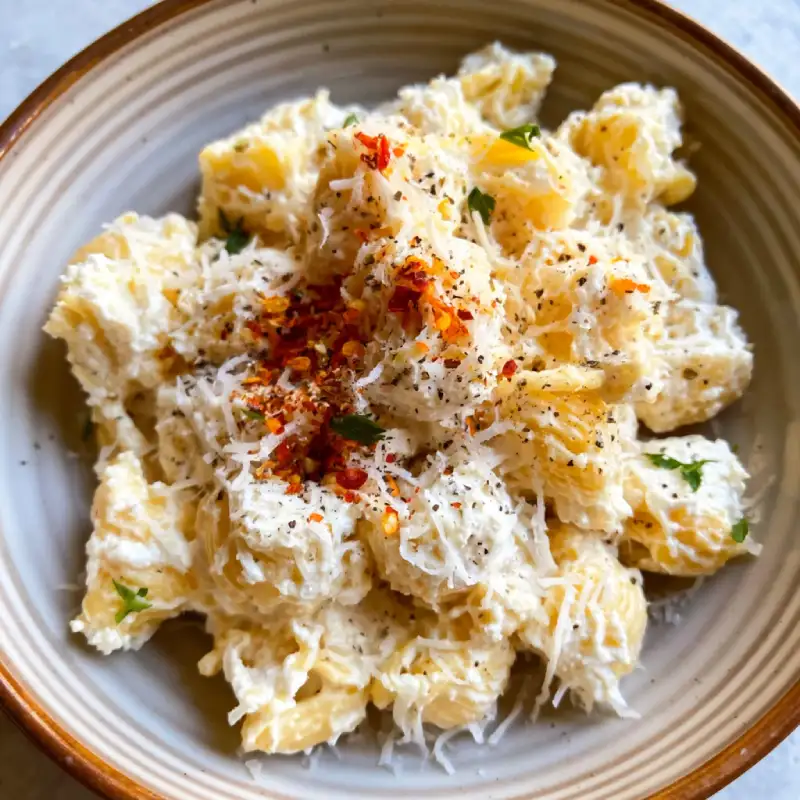
Prepare yourself for a culinary revelation! This delicious Ricotta Pasta recipe is about to become your family’s favorite weeknight meal. Imagine a dish so unbelievably creamy, yet surprisingly light, bursting with savory flavors, and coming together in less time than it takes to decide what to watch on streaming. It’s the kind of comforting, satisfying meal that truly hits the spot, offering a luxurious texture that coats every strand of pasta beautifully. The secret lies in fresh ricotta, a handful of pantry staples, and a few clever techniques we’ll dive into. If you’re looking for simplicity without sacrificing gourmet taste, you’ve found your match. See more good recipes here , but make sure to bookmark this one!
Why This Recipe Is a Game Changer for Busy Cooks
As a seasoned food blogger and enthusiastic home cook, I understand the perpetual quest for meals that are both extraordinary and expedient. This delicious Ricotta Pasta recipe ticks every box. It’s a game-changer because it allows you to create restaurant-quality flavor with minimal fuss. No complicated techniques, no obscure ingredients – just pure, unadulterated deliciousness in about 20 minutes. It’s the perfect solution for those evenings when you crave something special but are short on time. It feels indulgent, yet it’s surprisingly wholesome, making it a win-win for everyone at the table.
My Journey to the Perfect Creamy Ricotta Pasta
Like many culinary adventures, my quest for the perfect creamy ricotta pasta started with a fridge full of fresh ricotta and a nagging desire for something beyond the usual tomato sauce. I experimented with various cheeses, different herb combinations, and methods to achieve that elusive, velvety texture without resorting to heavy cream. After several delicious (and a few less-than-delicious) iterations, I landed on this precise combination of ingredients and techniques that balance rich creaminess with bright, fresh flavors. The key, I discovered, is harnessing the power of good quality ricotta and pasta water, transforming humble components into an extraordinary meal.
How This Delicious Ricotta Pasta Recipe Works
This delicious Ricotta Pasta is more than just a recipe; it’s a smart cooking strategy. It leverages simple, fresh ingredients and smart techniques to deliver maximum flavor and texture with minimal effort. It’s a testament to the fact that you don’t need a complicated ingredient list to create something truly memorable.
Creamy Texture Without Heavy Cream
One of the brilliant aspects of this particular pasta dish is its incredible creaminess, achieved entirely without a drop of heavy cream. Instead, we rely on the natural richness of good quality ricotta cheese, combined with the magical emulsifying power of starchy pasta water. When these two elements come together, they create a silky, luscious sauce that clings beautifully to the pasta, offering a delightful mouthfeel that is both indulgent and surprisingly light.
Balanced Flavors: Savory, Tangy, and Fresh
The flavor profile of this delicious Ricotta Pasta is meticulously balanced. You’ll get the savory depth from sautéed garlic and onion, a subtle tang from the touch of fresh or canned tomatoes, the inherent sweetness and richness of the ricotta, and a vibrant lift from fresh herbs like basil and parsley. A generous grating of Parmesan cheese adds umami and a salty finish, bringing all these elements into perfect harmony.
Quick Assembly for Maximum Flavor
This recipe is designed for speed. By overlapping your cooking stages – pasta boiling, sauce building – you can have this amazing dish on the table in under 30 minutes. The quick sauté of aromatics, the gentle warming of the ricotta, and the final toss with hot pasta ensures that every component is at its peak flavor and temperature when it hits your plate.
Adaptable for Any Pantry
While I provide specific recommendations, this delicious Ricotta Pasta recipe is incredibly forgiving and adaptable. Don’t have fresh basil? Dried herbs work in a pinch. No cherry tomatoes? A can of crushed tomatoes is a fantastic alternative. This inherent flexibility means you can whip up this meal even when your pantry isn’t fully stocked, making it a true lifesaver for busy weeknights.
Ingredients and Smart Substitutions for Delicious Ricotta Pasta
Here is what you need and why:
The Ricotta: Choosing the Right Kind for Creaminess: This is the star of our show! I highly recommend using whole milk ricotta, preferably from a local dairy or a trusted brand that sells it in a tub, rather than a large deli container. The richer the ricotta, the creamier and more luxurious your sauce will be. Look for one with a smoother, almost custard-like texture, not too watery or grainy. If you can’t find whole milk, part-skim will work, but you might lose a little of that divine richness.
Pasta Choice: Shape Matters for Sauce Adherence: For this particular sauce, I love using short, textured pasta shapes that can really hold onto the creamy ricotta. Think rigatoni, orecchiette, fusilli, or cavatappi. The nooks and crannies or cupped shapes are perfect for scooping up every bit of that luscious sauce. Long pasta like spaghetti or linguine can also work, but make sure to twirl it well to get a good coating.
Aromatics: Garlic and Onion Base: The foundation of almost any great Italian-inspired dish! Fresh garlic cloves (at least 3-4, finely minced) and a small to medium yellow onion (finely diced) will provide a savory, aromatic base that elevates the entire dish. Don’t skimp on these; they build incredible depth of flavor. In a pinch, garlic powder and onion powder can be used, but fresh is always superior here.
Tomato Element: From Fresh to Canned: A handful of cherry or grape tomatoes, halved, adds a burst of freshness and a touch of acidity that perfectly balances the ricotta. If fresh tomatoes aren’t in season or available, about half a cup of canned crushed tomatoes or even a high-quality tomato paste (sautéed for a minute to deepen its flavor) can be used as a delicious substitute. The goal is a whisper of tomato, not an overpowering acidity.
Essential Herbs: Fresh vs. Dried: Fresh basil leaves (torn or roughly chopped) and fresh parsley (chopped) are non-negotiable for their bright, peppery, and truly aromatic contributions at the end. Their vibrant flavor lifts the entire dish. While dried herbs can be used – about 1 teaspoon of dried Italian seasoning or dried basil – they simply don’t offer the same fresh vibrancy. Add dried herbs with the aromatics to allow their flavors to bloom.
Parmesan Cheese: Flavor and Seasoning: A generous amount of freshly grated Parmesan or Pecorino Romano cheese is crucial for both flavor and seasoning. It adds a salty, umami kick and helps to emulsify the sauce. Always grate your own from a block; pre-grated cheese often contains anti-caking agents that can affect the texture. You’ll use some in the sauce and for garnish.
Olive Oil: The Foundation of Flavor: A good quality extra virgin olive oil is essential for sautéing our aromatics and building the flavor base. Its fruity, peppery notes are integral to the Mediterranean profile of this dish. Don’t use a cheap, neutral oil here; the olive oil truly shines.
Pasta Water: The Secret to Silky Sauce: This is the unsung hero! Always reserve plenty of starchy pasta water before draining your pasta. Its starch content is what helps to emulsify the ricotta into a creamy, luxurious sauce that clings to every noodle. It’s better than adding plain water or broth for consistency and flavor.
How to Make Delicious Ricotta Pasta
Follow these step-by-step photos (imagine them here!) for a flawless dish:
1. Prep Ingredients Efficiently
Start by bringing a large pot of salted water to a rolling boil for your pasta. As the water heats, mince your garlic, dice your onion, halve your cherry tomatoes, and chop your fresh herbs. Having everything ready to go before you start cooking the sauce makes the entire process incredibly smooth and quick. This mise en place ensures you won’t be scrambling while something is sautéing.
2. Cook Pasta to Al Dente
Once your water is boiling, add your chosen pasta shape and cook according to package directions until it’s perfectly al dente – meaning it’s cooked through but still has a slight bite to it. This is crucial for texture. Before draining, make sure to scoop out at least 1.5 to 2 cups of the starchy pasta water and set it aside. You might not use it all, but it’s far better to have too much than not enough!
3. Sauté Aromatics and Tomatoes
While the pasta is cooking, heat a large skillet or Dutch oven over medium heat with a generous glug (about 2-3 tablespoons) of olive oil. Add the diced onion and cook until softened and translucent, about 3-5 minutes. Stir in the minced garlic and cherry tomatoes (if using), cooking for another 2-3 minutes until the garlic is fragrant and the tomatoes just begin to burst. If using dried herbs, add them now.
4. Build the Ricotta Sauce
Reduce the heat to low. Add the well-drained ricotta cheese to the skillet with the aromatics. Begin stirring gently, gradually adding about half a cup of the reserved pasta water. Stir continuously, allowing the ricotta to soften and combine with the tomato and garlic mixture. The pasta water will help create a smooth, creamy consistency. If the sauce seems too thick, add more pasta water, a tablespoon at a time, until you reach your desired creaminess. Stir in about half of the grated Parmesan cheese and season with salt and black pepper to taste. Keep the heat very low; you don’t want to boil the ricotta.
5. Combine Pasta with Sauce
Drain your al dente pasta and immediately add it to the skillet with the ricotta sauce. Toss everything together vigorously, ensuring every strand or piece of pasta is wonderfully coated in the creamy sauce. This mixing action helps the pasta absorb even more flavor and thickens the sauce further thanks to the pasta’s residual starch. If the sauce becomes too thick during this process, add another splash of reserved pasta water until it loosens up to your liking.
6. Finish with Fresh Herbs and Cheese
Remove the skillet from the heat. Stir in most of your fresh chopped basil and parsley. Give it one final taste and adjust any seasoning as needed – perhaps a little more salt, pepper, or a pinch of red pepper flakes for a subtle kick. Serve immediately in warm bowls, garnished with more fresh herbs and a generous grating of the remaining Parmesan cheese. This quick, fresh finish is what truly elevates this delicious Ricotta Pasta.
Expert Tips for Delicious Ricotta Pasta Success
- Do Not Rinse Your Pasta: Rinsing pasta washes away the crucial starches that help the sauce adhere to the noodles and emulsify beautifully. Drain it, but don’t rinse.
- Reserve More Pasta Water Than You Think You Need: Always save at least 2 cups of pasta water. You can always put it back in the pot, but you can’t magically create more once it’s gone! This starchy liquid is your best friend for achieving perfectly creamy sauce.
- Warm the Ricotta Gently: Avoid high heat when adding ricotta to the pan. Gentle, low heat prevents the ricotta from breaking or becoming grainy, keeping it wonderfully smooth and luscious.
- Taste and Adjust Seasoning Frequently: Seasoning is not a one-time event. Taste your sauce as you build it and again after combining with the pasta. Adjust salt, pepper, and even a touch of acidity (lemon zest or a tiny splash of white wine vinegar) to balance the flavors perfectly.
- Serve Immediately for Best Texture: This dish is best enjoyed right after it’s made. The pasta will absorb the sauce over time, and while still delicious, its peak creaminess is right off the stove.
What to Serve With Your Delicious Ricotta Pasta
This delicious Ricotta Pasta is hearty and flavorful enough to stand on its own, but a few simple accompaniments can round out the meal beautifully.
Simple Green Salad
A crisp, refreshing green salad with a light vinaigrette is the perfect counterpoint to the rich creaminess of the pasta. Think mixed greens, sliced cucumber, and perhaps some shaved red onion – nothing too heavy.
Crusty Bread for Dipping
Absolutely essential! A warm, crusty baguette or a loaf of artisan bread is perfect for soaking up every last drop of that amazing ricotta sauce. You won’t want to waste a single bit!
Roasted Vegetables
If you want to add more vegetables, simply roasting some seasonal veggies like asparagus, broccoli, or bell peppers with a little olive oil, salt, and pepper can add a lovely textural contrast and an extra layer of flavor without overwhelming the main dish. For a fantastic recipe from a trusted source, check out these Roasted Broccoli with Garlic from Food Network.
Storing and Reheating Delicious Ricotta Pasta
Proper Storage Techniques
If you happen to have leftovers of this delicious Ricotta Pasta (a rare occurrence in my house!), store them promptly. Transfer the cooled pasta to an airtight container and refrigerate for up to 2-3 days. While still tasty, the sauce will thicken as it cools and the pasta absorbs more liquid.
Reheating for Best Results
To reheat, I recommend using a skillet on the stovetop over low to medium-low heat. Add a splash of milk, vegetable broth, or even better, a few tablespoons of water, and stir gently as the pasta warms through. This will help rehydrate the sauce and bring back some of its creamy consistency. Avoid microwaving on high heat, as it can cause the ricotta to separate or become rubbery.
Frequently Asked Questions About Delicious Ricotta Pasta
Can I make this dairy-free?
What other vegetables can I add?
Can I use different types of pasta?
How to make it spicier?
Is fresh ricotta necessary?
Delicious Ricotta Pasta
- Total Time: 25 minutes
- Yield: 4 servings
Description
Discover how to make incredibly creamy and satisfying ricotta pasta with this easy recipe. Perfect for a quick weeknight meal, it’s bursting with fresh flavors and a luscious texture.
Ingredients
- 1 lb short pasta (rigatoni, orecchiette, fusilli)
- 2 tbsp extra virgin olive oil
- 1 small yellow onion, diced
- 3–4 cloves garlic, minced
- 1 cup cherry or grape tomatoes, halved (or 1/2 cup crushed canned tomatoes)
- 15 oz (about 2 cups) whole milk ricotta cheese
- 1/2 cup freshly grated Parmesan cheese, plus more for serving
- 1/2 cup fresh basil, roughly chopped
- 1/4 cup fresh parsley, chopped
- Salt and freshly ground black pepper to taste
- 1.5 – 2 cups reserved pasta water
Instructions
- Bring a large pot of salted water to a boil. Cook pasta according to package directions until al dente. Reserve 1.5-2 cups pasta water before draining.
- While pasta cooks, heat olive oil in a large skillet over medium heat. Add onion and cook until softened, 3-5 minutes. Add garlic and tomatoes, cook for another 2-3 minutes until fragrant.
- Reduce heat to low. Add ricotta cheese to the skillet. Gradually stir in 1/2 cup of reserved pasta water until smooth and creamy. Stir in half of the Parmesan cheese, and season with salt and pepper.
- Add the drained pasta to the skillet with the sauce. Toss vigorously to coat all pasta. If too thick, add more pasta water, a tablespoon at a time.
- Remove from heat. Stir in most of the fresh basil and parsley. Taste and adjust seasoning.
- Serve immediately, garnished with remaining fresh herbs and Parmesan cheese.
- Prep Time: 10 mins
- Cook Time: 15 mins