


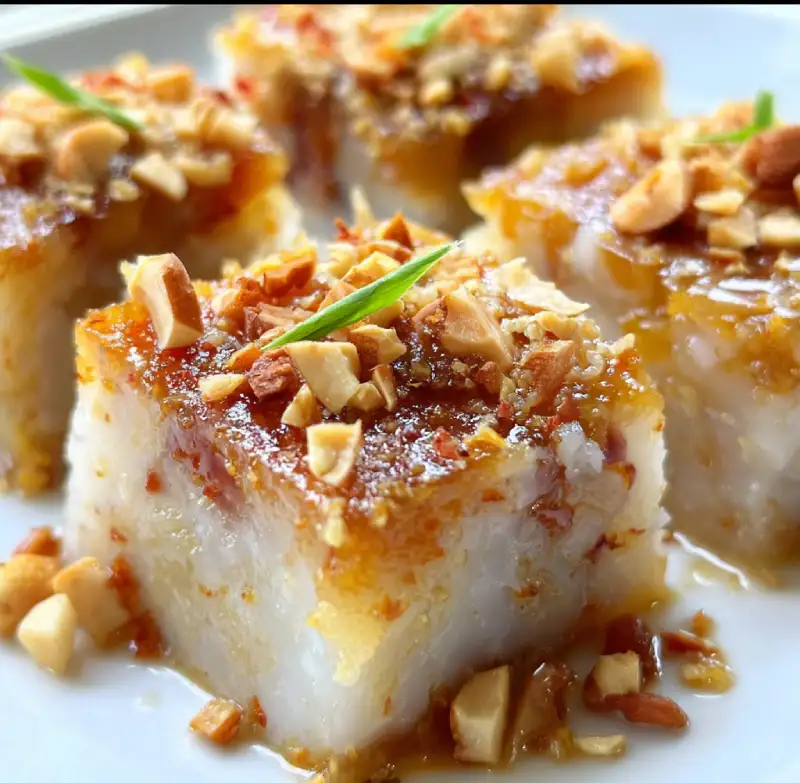
Prepare to be utterly enchanted by the humble yam, transformed into a moist, tender, and incredibly flavorful cake that will undoubtedly become your new baking obsession. Forget everything you thought you knew about baking with root vegetables; this Yam Cake recipe is a revelation. Each bite delivers a delightful interplay of earthy sweetness, a signature texture that’s both substantial and delicate, and an aroma that will fill your kitchen with pure comfort. It’s the kind of cake that makes people ask for the recipe immediately, and trust me, you’ll be thrilled to share these secrets. If you’re looking for more easy and delicious baking inspirations, See more easy recipes and expand your baking repertoire!
Table of Contents
Why This Yam Cake Recipe is a Must-Try
My culinary journey has been a lifelong quest for perfection in every dish, and for years, I tinkered with yam cake recipes, striving for that elusive balance of moisture, flavor, and texture. This particular Yam Cake isn’t just good; it’s the culmination of countless experiments, refined techniques, and a true passion for baking. It’s a recipe I’ve poured my heart into, and I’m confident you’ll taste the difference.
- My Journey to the Perfect Yam Cake: From dense, dry failures to overly sweet concoctions, I’ve navigated the pitfalls of yam baking to bring you a truly foolproof recipe that balances authenticity with modern baking principles.
- The Signature Texture: Moist, Tender, and Flavorful: This recipe delivers a crumb that is incredibly moist, tender to the fork, and bursting with the nuanced, earthy sweetness of fresh yam. It’s never gummy, never dry—just perfect.
- Why This Recipe Delivers Consistent Results: We focus on precise measurements, proper ingredient tempering, and gentle mixing techniques, ensuring that even novice bakers can achieve a consistently beautiful and delicious cake every time.
How This Yam Cake Recipe Works
Understanding the science behind baking is key to consistent success. This Yam Cake recipe is thoughtfully constructed to maximize flavor and texture, ensuring every slice is a testament to mindful baking.
- Achieving the Ideal Moist Crumb: The secret lies in a careful balance of fats and sugars, combined with the natural moisture from the yam puree. We also incorporate buttermilk, which reacts with baking soda to create tender crumbs.
- Balancing Sweet and Earthy Flavors: We use a combination of granulated and brown sugars to complement the yam’s natural sweetness without overpowering its distinct earthy notes. A hint of spice ties everything together harmoniously.
- The Secret to a Golden-Brown Crust: Proper oven temperature and baking time, coupled with sugar caramelization, create a beautifully golden-brown crust that adds a lovely textural contrast to the tender interior.
- Simple Steps for a Complex Flavor Profile: Despite its sophisticated taste, the methodology for this cake is straightforward, breaking down complex flavors into manageable, easy-to-follow steps.
Essential Ingredients & Smart Substitutions for Yam Cake
Here is what you need and why:
Understanding the Role of Yam Varieties (Purple vs. White): For this recipe, I highly recommend using Okinawan purple yams or standard white yams (often labeled as sweet potatoes in the US, but botanically true yams are different and yield a drier, starchier texture ideal for baking). Purple yams impart a stunning color and slightly sweeter, more floral flavor, while white yams offer a milder, more traditional yam taste. Avoid watery orange sweet potatoes for this specific cake, as they can alter the moisture balance too much.
Flour Choices: All-Purpose vs. Cake Flour for Texture: All-purpose flour works beautifully for a sturdy yet tender crumb. If you desire an even lighter, more delicate texture, you can substitute 1 cup of cake flour for every 1 cup of all-purpose flour, adding 2 tablespoons more cake flour per cup to compensate for cake flour’s lower protein content. Sifting is crucial for either choice to prevent lumps.
Sweeteners: Granulated Sugar vs. Brown Sugar for Depth: We use a blend of granulated sugar for fundamental sweetness and structure, along with light brown sugar. The molasses in brown sugar not only adds a deeper, more caramel-like flavor but also contributes significantly to the cake’s moisture content, keeping it soft and tender for longer.
Fats: Butter vs. Oil for Moisture and Flavor: This recipe calls for unsalted butter, which provides unparalleled richness and flavor. It’s creamed with sugar to incorporate air, resulting in a lighter texture. While oil can be used (e.g., vegetable oil or melted coconut oil) for an exceptionally moist cake, it won’t offer the same depth of flavor.
Leavening Agents: Baking Powder and Baking Soda Explained: Both baking powder and baking soda are included. Baking soda reacts with the acidic buttermilk (or other acidic ingredients) to create carbon dioxide, essential for lightness. Baking powder, a double-acting leavener, provides a consistent lift, ensuring your cake rises beautifully and evenly.
Milk and Eggs: Binding and Richness: Large eggs act as a binder, providing structure and richness. Buttermilk, with its tangy flavor, tenderizes the crumb and reacts with the baking soda to create a light, soft texture. If you don’t have buttermilk, you can make your own by adding 1 tablespoon of white vinegar or lemon juice to 1 cup of regular milk and letting it sit for 5 minutes.
Vanilla Extract and Spices: Enhancing the Aroma: A good quality vanilla extract is non-negotiable for deepening the flavor profile. Spices like cinnamon, nutmeg, and a pinch of ginger eloquently complement the yam, lending warmth and a complex aromatic finish. Feel free to adjust these to your personal preference.
External resource for baking techniques: For more detailed explanations on the role of ingredients and baking science, I often refer to resources like King Arthur Baking’s blog on ingredient functions, an excellent resource for any home baker.
How to Make Delicious Yam Cake
Follow these step-by-step photos:
1. Prep Your Yams and Dry Ingredients
Begin by peeling your yams and steaming them until they are fork-tender. This usually takes about 15-20 minutes depending on the size. Once cooked, mash them thoroughly with a fork, potato masher, or food processor until perfectly smooth. Set aside to cool. In a separate large bowl, sift together the all-purpose flour, baking powder, baking soda, ground cinnamon, nutmeg, ginger, and salt. Sifting is key here to ensure even distribution of the leavening agents and spices, preventing dense or uneven pockets in your final Yam Cake.
2. Cream Butter and Sugars
In the bowl of a stand mixer fitted with the paddle attachment (or using a hand mixer), cream together the softened unsalted butter and both granulated and brown sugars on medium-high speed until light and fluffy. This process incorporates air, which is crucial for a tender cake. Scrape down the sides of the bowl frequently to ensure everything is evenly combined. This should take 3-5 minutes, and the mixture should be pale in color and very airy.
3. Incorporate Wet Ingredients
Add the eggs one at a time to the butter-sugar mixture, beating well after each addition until fully incorporated. Then, mix in the vanilla extract. In a separate bowl, combine the cooled mashed yam puree and buttermilk. Gradually alternate adding the dry ingredient mixture and the yam/buttermilk mixture to the creamed mixture, beginning and ending with the dry ingredients. Mix on low speed *just* until combined. Do not overmix! Overmixing develops gluten, leading to a tough cake.
4. Bake for Perfection
Pour the batter evenly into your prepared baking pan (greased and floured, or lined with parchment). Bake in a preheated oven at 350°F (175°C) for 30-40 minutes, or until a wooden skewer inserted into the center comes out clean. The cake should be golden brown on top and spring back lightly when touched. The exact baking time can vary depending on your oven and pan size, so keep a close eye on it after the 25-minute mark. Avoid opening the oven door too early, which can cause the cake to sink.
5. Cool and Serve Your Yam Cake
Once baked, remove the cake from the oven and let it cool in the pan on a wire rack for 10-15 minutes. This allows the cake to set and prevents it from crumbling when inverted. After this initial cooling, carefully invert the cake onto the wire rack to cool completely. Cooling properly is essential; cutting into a warm cake can make it gummy and compromise its structure. A fully cooled cake will be easier to slice and will hold any frosting or glaze beautifully.
Expert Tips for Yam Cake Success
- Don’t Overmix the Batter: This is perhaps the most crucial tip! Once you add the flour, mix only until just combined. Overmixing develops gluten, which can lead to a tough, dry Yam Cake. A few small lumps are perfectly fine.
- Greasing and Flourishing Your Pan: For easy release, generously grease your baking pan with butter or baking spray, then lightly dust it with flour, tapping out any excess. For extra insurance, line the bottom with parchment paper.
- Testing for Doneness: The Skewer Test Explained: Insert a wooden skewer or toothpick into the very center of the cake. If it comes out clean (without wet batter stuck to it), your cake is done. If it has moist crumbs, it’s ready; if it’s wet goo, it needs more time.
- Achieving a Beautiful Glaze or Icing (Optional): A simple cream cheese frosting or a rich brown butter glaze perfectly complements this Yam Cake. Apply frosting only after the cake has completely cooled to prevent it from melting and sliding off.
- Troubleshooting Common Yam Cake Issues (Sinking, Dryness): If your cake sinks, it might be due to opening the oven door too early, over-leavening, or insufficient baking. Dryness often stems from over-baking or inaccurate liquid measurements.
Serving Suggestions for Your Yam Cake
This delightful Yam Cake is incredibly versatile and pairs beautifully with a range of accompaniments, elevating it from a simple treat to a memorable dessert.
- Classic Pairings: Coffee, Tea, or Milk: A warm slice of yam cake is simply divine with a hot cup of coffee or tea, especially during cooler months. For a cozy evening in, a glass of cold milk is the perfect complement.
- Dessert Enhancements: Whipped Cream, Ice Cream, or Fruit Compote: Take your yam cake to the next level with a dollop of freshly whipped cream, a scoop of vanilla bean ice cream, or a warm spiced apple or pear compote. The cool, creamy textures and tart fruit elements contrast wonderfully with the cake’s richness.
- Holiday Table: A Unique and Festive Dessert Option: Move beyond the traditional pies and crumbles! This Yam Cake makes for a unique and festive addition to any holiday spread, offering a comforting and flavorful alternative that will impress your guests.
Storing and Reheating Yam Cake
Proper storage is key to extending the freshness and deliciousness of your homemade Yam Cake. Here’s how to keep it perfect:
- Optimal Storage Conditions: Room Temperature vs. Refrigeration: If unfrosted, your yam cake can be stored in an airtight container at room temperature for up to 3 days. If frosted with a cream cheese frosting or dairy-based topping, it must be refrigerated in an airtight container. Bring it to room temperature before serving for the best flavor and texture.
- Freezing Yam Cake: Best Practices for Longevity: For longer storage, yam cake freezes beautifully. Wrap individual slices or the entire unfrosted cake tightly in plastic wrap, then an additional layer of aluminum foil. It can be stored in the freezer for up to 3 months. Thaw overnight in the refrigerator.
- Reheating for Freshness: Oven vs. Microwave Techniques: While best at room temperature, you can gently warm a slice of yam cake. For oven reheating, wrap loosely in foil and warm at 250°F (120°C) for 10-15 minutes until just warm through. The microwave can be used for quick reheating (15-30 seconds), but be careful not to overheat, which can dry out the cake.
Yam Cake FAQs
Can I use canned yams?
How do I prevent my yam cake from being too dense?
What’s the best way to get a smooth yam puree?
Can I make this recipe gluten-free or dairy-free?
How long does yam cake last?
Delicious Yam Cake
- Total Time: 1 hour
- Yield: 12 servings
Description
Uncover the secrets to baking the best flavored Yam Cake with this step-by-step, easy-to-bake guide. Perfect for any occasion and simply irresistible!
Ingredients
- 2 cups all-purpose flour, sifted
- 1 tsp baking powder
- 1 tsp baking soda
- 1 tsp ground cinnamon
- ½ tsp ground nutmeg
- ¼ tsp ground ginger
- ½ tsp salt
- 1 cup (2 sticks) unsalted butter, softened
- 1 cup granulated sugar
- ½ cup light brown sugar, packed
- 2 large eggs, room temperature
- 1 tsp vanilla extract
- 1 ½ cups mashed cooked yam puree (from about 1 large yam)
- ½ cup buttermilk, room temperature
Instructions
- Preheat oven to 350°F (175°C). Grease and flour a 9×13 inch baking pan or a 9-inch round cake pan.
- In a medium bowl, whisk together the sifted flour, baking powder, baking soda, cinnamon, nutmeg, ginger, and salt. Set aside.
- In a large bowl, cream together the softened butter, granulated sugar, and brown sugar on medium-high speed until light and fluffy (3-5 minutes).
- Beat in eggs one at a time, then stir in vanilla extract.
- In a separate small bowl, combine the mashed yam puree and buttermilk.
- Alternately add the dry ingredient mixture and the yam/buttermilk mixture to the creamed mixture, beginning and ending with the dry ingredients. Mix on low speed just until combined; do not overmix.
- Pour batter into the prepared pan and spread evenly.
- Bake for 30-40 minutes (or 35-45 for a round cake) or until a wooden skewer inserted into the center comes out clean.
- Cool in the pan on a wire rack for 10-15 minutes, then invert onto the rack to cool completely before frosting or serving.
- Prep Time: 25 mins
- Cook Time: 35 mins