


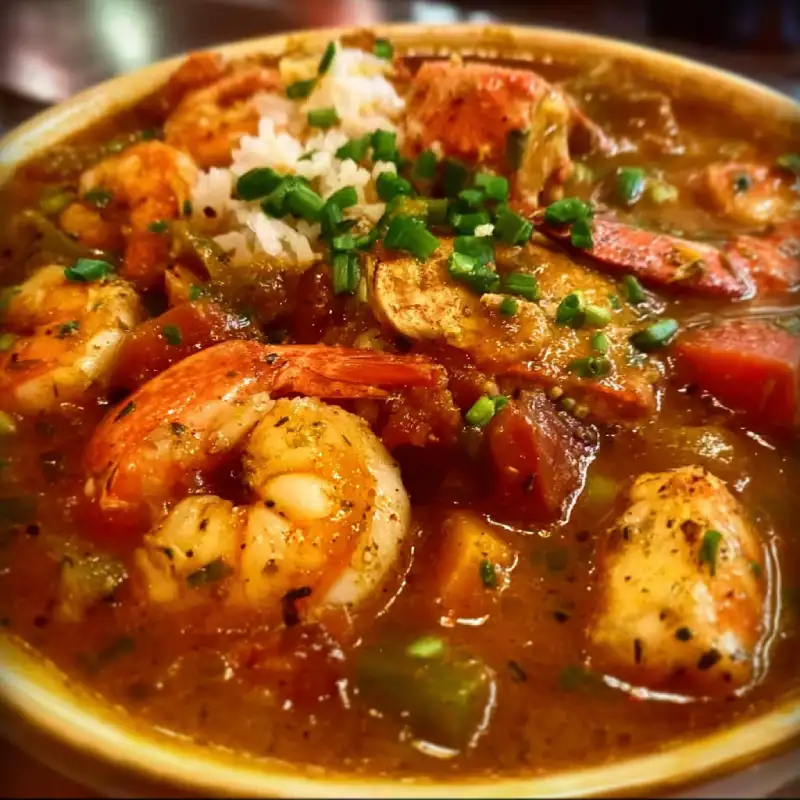
Louisiana Seafood Gumbo: 10 Best Recipes for Easy Cooking
Table of Contents
- 1. What is Louisiana Seafood Gumbo?
- 2. 10 Best Recipes for Louisiana Seafood Gumbo for Easy Cooking
- 3. Key Ingredients for Authentic Seafood Gumbo
- 4. Step-by-Step Instructions: Mastering the Roux
- 5. Expert Tips for the Best Gumbo
- 6. Serving Suggestions and Pairings
- 7. Storing and Reheating Your Gumbo
- 8. Frequently Asked Questions
Welcome to the ultimate guide for preparing a soulful bowl of Louisiana Seafood Gumbo: 10 Best Recipes for Easy Cooking! This classic dish, rich with history and bursting with flavor, is a true testament to Louisiana cuisine. Whether you’re a seasoned chef or a kitchen novice, our easy gumbo recipes will help you create a masterpiece that transports your taste buds straight to the bayou.
1. What is Louisiana Seafood Gumbo?
Louisiana Seafood Gumbo is a hearty stew-like dish originating from Louisiana, deeply rooted in both Cajun and Creole culinary traditions. It’s known for its dark, flavorful roux, the “Holy Trinity” of vegetables, and a generous assortment of fresh seafood. Each spoonful offers a delicious blend of textures and spices, making it a beloved comfort food.
This iconic dish perfectly captures the spirit of Southern hospitality and the diverse cultural influences of the region. While there are countless variations, the essence of a good seafood gumbo lies in its depth of flavor and the quality of its ingredients. It’s truly a labor of love that pays off in every bite.
2. 10 Best Recipes for Louisiana Seafood Gumbo for Easy Cooking
While we won’t list ten full recipes here, this section highlights the principles that make a great Louisiana Seafood Gumbo accessible and delicious for home cooks. Our focus is on simplifying the process without sacrificing authenticity. We emphasize using fresh, high-quality ingredients and mastering the fundamental techniques like creating a perfect roux.
Many “easy gumbo recipe” variations focus on streamlining steps, using readily available seafood, and offering shortcuts for busy weeknights. You can find excellent options that range from quick shrimp gumbo recipes to more elaborate versions featuring crab and oysters. The key is finding a balance that fits your schedule and taste preferences. This makes homemade gumbo achievable for everyone!
3. Key Ingredients for Authentic Seafood Gumbo
Creating an authentic seafood gumbo starts with selecting the right ingredients. Freshness is paramount, especially when it comes to the seafood. Don’t skimp on quality; it truly makes a difference in the final taste.
Here’s what you’ll typically need for a delicious Louisiana Seafood Gumbo:
- 1 cup all-purpose flour
- ¾ cup vegetable oil (or other neutral oil)
- 2 large yellow onions, chopped
- 2 celery stalks, chopped
- 1 large green bell pepper, chopped
- 3 cloves garlic, minced
- 8 cups seafood stock or chicken stock
- 1 (14.5 ounce) can diced tomatoes (optional, for Creole style)
- 1 lb medium shrimp, peeled and deveined
- ½ lb crab meat, lump or claw
- 1 pint fresh oysters, shucked (optional)
- 1 lb firm white fish (such as snapper or cod), cut into 1-inch pieces (optional)
- ½ cup chopped fresh parsley
- ¼ cup chopped green onions
- Salt, black pepper, cayenne pepper, and filé powder (optional) to taste
- Cooked white rice, for serving
3.1. The Holy Trinity
At the heart of almost every Louisiana savory dish is the “Holy Trinity”: chopped onion, celery, and bell pepper. These three vegetables form the aromatic base for your gumbo, providing a foundational layer of flavor that is distinctly Cajun and Creole. Sautéing them properly is crucial for developing their sweetness and integrating them into the roux.
3.2. Seafood Selection
When it comes to the seafood in your gumbo, the world is your oyster – literally! Shrimp is a classic choice, often paired with crab meat (lump or claw) for added richness. Oysters are another traditional addition, typically stirred in at the very end to cook gently. Some recipes also include firm white fish or even scallops. Always use the freshest seafood available to ensure the best flavor and texture in your seafood stew.
4. Step-by-Step Instructions: Mastering the Roux
The roux is the soul of any good gumbo. It’s a mixture of fat and flour cooked together, providing both a thickener and a deep, nutty flavor. Don’t be intimidated by it; with a little patience, you’ll master this essential technique. For more detailed insights into perfecting your roux, check out this comprehensive guide on Serious Eats.
4.1. Perfecting the Roux
Making a dark roux requires constant stirring over medium heat. You’ll combine flour and oil in a heavy-bottomed pot, stirring continuously until it reaches a dark chocolate color. This can take anywhere from 20 to 45 minutes, so be patient! The darker the roux, the deeper and more complex the flavor of your gumbo will be.
Here are the basic steps to creating your delicious Louisiana Seafood Gumbo:
- **Prepare the Roux:** In a large, heavy-bottomed Dutch oven or pot, heat the vegetable oil over medium heat. Gradually whisk in the flour until smooth. Cook, stirring constantly, until the roux turns a rich, dark brown color, similar to chocolate. This can take 20-45 minutes. Do not burn it!
- **Sauté the Trinity:** Immediately add the chopped onions, celery, and bell pepper to the hot roux. Cook, stirring frequently, until the vegetables soften, about 8-10 minutes. Add the minced garlic and cook for another minute until fragrant.
- **Add Stock:** Slowly whisk in the seafood or chicken stock, a cup at a time, ensuring no lumps form. Bring the mixture to a simmer, scraping any browned bits from the bottom of the pot.
- **Season and Simmer:** Add salt, black pepper, and cayenne pepper to taste. If using, stir in the diced tomatoes. Reduce heat to low, cover, and let the gumbo simmer for at least 30 minutes, or up to 1-2 hours, to allow the flavors to meld. Stir occasionally.
- **Add Seafood:** About 10-15 minutes before serving, add the shrimp and fish (if using) to the simmering gumbo. Cook until the shrimp turn pink and opaque. Gently fold in the crab meat and oysters (if using) during the last 2-3 minutes of cooking, just until they are heated through and the oysters plump.
- **Finish and Serve:** Stir in the fresh parsley and green onions. Taste and adjust seasonings as needed. If desired, stir in filé powder just before serving (never boil gumbo after adding filé, as it can become stringy). Serve hot over cooked white rice.
5. Expert Tips for the Best Gumbo
A few professional tips can elevate your homemade gumbo from good to truly exceptional. These small adjustments can make a big difference in the final outcome, ensuring a flavorful and authentic dish every time.
5.1. Spice Level Adjustment
Gumbo can be as mild or as fiery as you like! The heat typically comes from cayenne pepper. Start with a smaller amount and taste before adding more. You can always serve extra hot sauce on the side for those who prefer an extra kick. For a milder version, focus on black pepper and reduce the cayenne.
To learn more about mastering different types of Cajun and Creole dishes, you might want to Read our in-depth guide here.
6. Serving Suggestions and Pairings
Traditionally, Louisiana Seafood Gumbo is served hot over a bed of fluffy white rice. Many people also enjoy it with a scoop of potato salad on the side, a unique Southern pairing that surprisingly complements the rich flavors of the gumbo. A slice of crusty French bread is perfect for soaking up every last bit of that delicious broth. For beverages, a crisp lager or iced tea makes an excellent accompaniment.
7. Storing and Reheating Your Gumbo
Gumbo often tastes even better the next day as the flavors continue to meld. Store leftover gumbo in an airtight container in the refrigerator for up to 3-4 days. For longer storage, gumbo freezes beautifully for up to 3 months. Thaw frozen gumbo in the refrigerator overnight. Reheat gently on the stovetop over low heat, stirring occasionally, until warmed through. You may need to add a splash of stock or water if it’s too thick.
8. Frequently Asked Questions
What is the difference between Cajun and Creole gumbo?
Cajun gumbo typically uses a dark roux, a simpler broth, and often includes smoked meats alongside seafood. Creole gumbo, common in New Orleans, often features a lighter roux, sometimes includes tomatoes, and relies heavily on seafood and shellfish, often with okra.
Can I make gumbo without a roux?
While a roux is traditional and provides unparalleled flavor and thickness, you can make a roux-less gumbo by thickening it with okra or filé powder. However, the depth of flavor will be different from a traditional roux-based gumbo.
What is filé powder and when do I use it?
Filé powder is ground sassafras leaves, used as a thickener and flavoring agent, particularly in Cajun cooking. It’s usually stirred into individual servings of gumbo at the table, as boiling it can make the gumbo stringy. It adds an earthy, unique flavor.