


Table of Contents
- Why This One-Pot Spring Vegetable Pasta Will Be Your New Go-To
- How This One-Pot Wonder Works Its Magic
- Essential Ingredients & Smart Substitutions
- Step-by-Step: Your Visual Guide to One-Pot Perfection
- Expert Tips for Success Every Time
- What to Serve With Your Spring Pasta
- Storing and Reheating Best Practices
- One-Pot Spring Vegetable Pasta FAQs
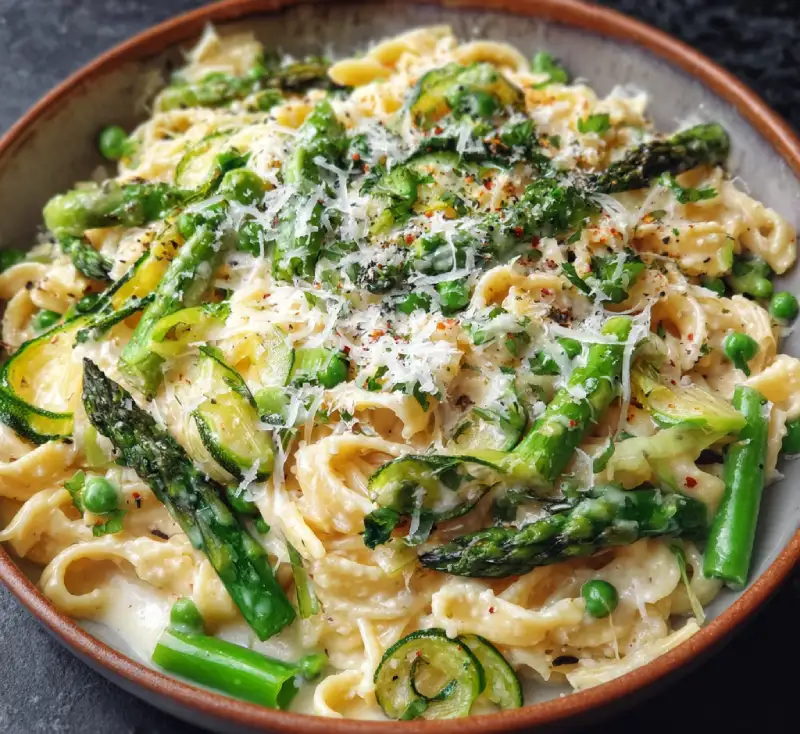
As the days grow longer and the first tender shoots of green begin to emerge, my kitchen awakens with a desire for dishes that are as fresh and vibrant as the season itself. And let me tell you, there’s no better way to celebrate spring’s bounty than with this incredible One-Pot Spring Vegetable Pasta. Imagine al dente pasta, coated in a luscious, savory sauce, studded with crisp-tender asparagus, sweet peas, and bright spinach, all made in a single pot. It’s a symphony of textures and flavors that will tantalize your taste buds and leave you feeling utterly satisfied.
This isn’t just another pasta dish; it’s a testament to minimalist cooking without compromising on flavor. The magic truly lies in how everything comes together in one pot, infusing every strand of pasta with incredible depth. If you’re anything like me, you appreciate a meal that delivers maximum deliciousness with minimal fuss. For more easy recipes that deliver on both flavor and convenience, you might want to See more easy recipes and explore new culinary adventures!
Why This One-Pot Spring Vegetable Pasta Will Be Your New Go-To
Weeknights can be a whirlwind, and the thought of dirtying multiple pots and pans often leads to less-than-inspired meals. This One-Pot Spring Vegetable Pasta completely changes that narrative. It’s become a personal savior for those evenings when I crave something comforting and nutritious but have limited time and even less energy for cleanup.
What makes this recipe an absolute winner? It’s a trifecta of convenience, flavor, and fresh ingredients. It’s truly a game-changer! Check out some other great one-pot ideas if you’re as obsessed as I am!
- Unbeatable Time-Saving: From prep to plate, you’re looking at under 30 minutes, with only ONE pot to wash. That’s a weeknight miracle!
- Explosive Spring Flavor: Every ingredient is chosen to highlight the fresh, delicate tastes of spring vegetables, brightened by lemon and herbs.
- Effortless Creaminess: Achieving a luxuriously creamy sauce without needing heavy cream or hours of simmering is a culinary feat.
- Nutrient-Packed: This dish is loaded with vibrant, healthy vegetables, making it a wholesome meal you can feel good about.
How This One-Pot Wonder Works Its Magic
The beauty of a one-pot pasta dish isn’t just the cleanup; it’s the profound depth of flavor it achieves. It’s a culinary alchemy that transforms simple ingredients into something extraordinary.
Pasta Cooks Directly in the Sauce for Maximum Flavor: This is the secret weapon! As the pasta cooks in the seasoned broth, it absorbs all the delicious flavors, releasing its starches and naturally thickening the sauce. Instead of bland pasta water going down the drain, all that starchy goodness stays right in the pot, contributing to a rich, cohesive sauce. This process ensures every single bite is infused with savory goodness.
Vegetables Retain Crisp-Tenderness: No one wants mushy vegetables! The timing in this recipe is crucial. By adding the more delicate spring vegetables, like asparagus and peas, towards the end of the cooking process, they blanch perfectly in the hot steam and liquid, retaining their vibrant color, natural sweetness, and a satisfying crisp-tender bite. Spinach wilts beautifully into the sauce, adding another layer of freshness.
Creamy Texture Achieved Without Heavy Cream: Here’s where the magic truly unfolds! The starches released from the pasta as it cooks, combined with the savory broth and a touch of cheese (if using), naturally emulsify to create a lush, creamy sauce. This means you get all the indulgence of a creamy pasta dish without the heaviness (or extra calories!) of traditional cream-based sauces. It’s pure brilliance.
Essential Ingredients & Smart Substitutions
Here is what you need and why:
Key Spring Vegetables: Asparagus, Peas, Spinach (and why they work): These three capture the essence of spring. Asparagus brings a delicate earthiness and a satisfying tender-crisp snap. Choose thinner spears for quicker cooking. Peas (fresh or frozen) burst with natural sweetness and vibrant color. And Spinach, added at the very end, wilts down beautifully, adding a lovely green hue and a touch of iron without overwhelming the other flavors. Don’t be afraid to add other spring vegetables you love, like chopped green beans or ramps, towards the end.
Pasta Choices: What Shapes Work Best (and which to avoid): For one-pot pastas, short, sturdy shapes are your best friends. Think penne, rotini, cavatappi, farfalle, or orecchiette. These shapes cook evenly in the liquid and hold the sauce beautifully. Avoid very thin pastas like angel hair (they can become gummy) or very long, delicate pastas like fettuccine, which can clump easily in a one-pot method.
Flavor Boosters: Garlic, Lemon, Herbs (don’t skip these!): These elements are non-negotiable for a truly outstanding dish. Freshly minced garlic provides aromatic depth. The zest and juice of a fresh lemon adds a crucial brightness and acidity that cuts through the richness and makes all the flavors sing. Fresh herbs like parsley, basil, or chives, stirred in at the very end, provide a pop of freshness and elevate the entire dish. Dried herbs are okay in a pinch, but fresh is always superior here.
Broth vs. Water: The Secret to Depth of Flavor: While water might seem like an easy substitute, using good quality vegetable broth (or chicken broth, if not vegetarian) is paramount. The broth forms the base of your sauce, and its inherent savory notes will be absorbed by the pasta, creating a much more flavorful final dish. If you absolutely must use water, add an extra pinch of salt and maybe a teaspoon of vegetable bouillon powder.
Cheese: Parmesan or nutritional yeast for richness: A sprinkle of freshly grated Parmesan Reggiano at the end adds a salty, umami kick and contributes to the creamy texture. For a dairy-free option, nutritional yeast offers a similar savory, cheesy flavor profile, and often adds a lovely golden hue. A small amount goes a long way!
Step-by-Step: Your Visual Guide to One-Pot Perfection
Follow these step-by-step photos:
1. Prep Your Ingredients: The Foundation of Success
Before you even turn on the stove, gather and prepare all your ingredients. This means chopping your garlic, trimming your asparagus, measuring your broth, and zesting your lemon. Having everything ready streamlines the cooking process and prevents frantic scrambling. A little mise en place makes cooking so much more enjoyable and effective.
2. Sauté Aromatics: Building the Flavor Base
In your large pot, heat a drizzle of olive oil over medium heat. Add your minced garlic and cook for just about 30 seconds to 1 minute, until fragrant. Be careful not to let it brown, as burnt garlic can taste bitter. This step is crucial for building a deep, aromatic foundation for your sauce.
3. Add Liquid and Pasta: The Boiling Begins
Pour in your vegetable broth (or chicken broth for non-vegetarian) and add the dried pasta. Stir well to ensure the pasta is submerged and not sticking together. Bring the mixture to a rolling boil, then reduce the heat to a simmer. Cover the pot, leaving a slight crack for steam to escape, and cook according to package directions, stirring occasionally to prevent sticking. This allows the pasta to absorb the flavorful broth and release its starches.
4. Incorporate Vegetables: Timing is Key
About 5-7 minutes before the pasta is expected to be al dente (still has a slight bite), stir in your chopped asparagus and peas. Continue to simmer, uncovered, for these last few minutes, stirring gently. The goal is for the vegetables to cook until crisp-tender and vibrant green, without becoming mushy. The broth should also be reducing and thickening into a sauce.
5. Finish with Freshness: Lemon, Herbs, and Cheese
Once the pasta is al dente and the vegetables are tender, remove the pot from the heat. Stir in the fresh spinach, lemon zest, lemon juice, and chopped fresh herbs. The residual heat will wilt the spinach perfectly. Taste and adjust seasoning with salt and freshly cracked black pepper as needed. Finally, stir in the grated Parmesan cheese (or nutritional yeast for dairy-free) until it melts into the sauce, creating an even more luxurious and creamy finish.
Expert Tips for Success Every Time
- Don’t Overcrowd the Pot: Use a pot large enough to comfortably hold all the ingredients. Overcrowding can lead to uneven cooking, stubborn sticking, and a less cohesive sauce. A 5-6 quart Dutch oven or large stockpot is ideal.
- Adjust Liquid as Needed: Different pastas absorb liquid differently, and evaporation rates vary. If your pasta is still a bit firm but the liquid has mostly evaporated, add a splash more broth (a quarter cup at a time) until it’s cooked through. If it looks too soupy, simply simmer uncovered for a minute or two longer to reduce slightly.
- Taste and Adjust Seasoning Throughout: Seasoning is not a one-and-done step! Taste the broth before adding pasta, taste the pasta and sauce as it cooks, and make final adjustments at the very end. This ensures a perfectly balanced flavor profile.
- Fresh Herbs Make All the Difference: While dried herbs have their place, fresh parsley, basil, chives, or dill truly elevate this dish. Stir them in at the very end to preserve their bright, aromatic qualities.
- Don’t Overcook the Pasta: Al dente pasta (cooked to still have a slight bite) is key for texture. Overcooked pasta will become mushy and lose its appeal, especially in a one-pot method where it continues to soften slightly after being removed from the heat.
What to Serve With Your Spring Pasta
This One-Pot Spring Vegetable Pasta is hearty enough to be a stand-alone meal, but it also pairs beautifully with a few simple additions to complete your spread.
- Garlic Bread or Crostini: Perfect for soaking up every last bit of that delicious, creamy sauce.
- Simple Green Salad: A light, crisp green salad with a vinaigrette dressing offers a refreshing contrast to the pasta’s richness.
- Grilled Chicken or Fish (Optional Protein Boost): If you’re looking for extra protein, a simply grilled chicken breast or a flaky white fish, like cod or halibut, would complement the spring flavors wonderfully.
Storing and Reheating Best Practices
Cooked One-Pot Spring Vegetable Pasta stores well, making it excellent for meal prep or enjoying leftovers throughout the week.
Refrigeration Guidelines: Allow the pasta to cool completely before transferring it to an airtight container. It will keep well in the refrigerator for up to 3-4 days. The sauce may thicken considerably as it cools, which is normal.
Best Reheating Methods (Stovetop vs. Microwave):
- Stovetop: This is my preferred method for maintaining texture. Transfer the desired portion to a saucepan over medium-low heat. Add a splash of broth or water (1-2 tablespoons per serving) to help rehydrate the pasta and loosen the sauce. Stir gently and heat until warmed through.
- Microwave: For a quicker option, place a single serving in a microwave-safe bowl. Add a tablespoon of broth or water. Cover loosely and microwave on medium power for 1-2 minutes, stirring halfway through, until heated. Be careful not to overheat, as this can make the pasta gummy.
Tips for Maintaining Texture: When reheating, remember that the pasta has already absorbed a lot of liquid. The goal is to warm it gently and rehydrate the sauce, not to cook it further. Adding a little liquid back in is key to preventing dry or overly clumpy leftovers. Stirring frequently while reheating on the stovetop also helps maintain an even texture.
One-Pot Spring Vegetable Pasta FAQs
Can I use different vegetables?
Is this recipe freezer-friendly?
How do I prevent the pasta from sticking?
Can I make this dairy-free?
One-Pot Spring Vegetable Pasta
- Total Time: 30 minutes
- Yield: 4 servings
Description
This delightful one-pot pasta features vibrant spring vegetables like crisp asparagus, sweet peas, and tender spinach in a creamy, savory sauce. It’s a quick and easy weeknight meal that delivers maximum flavor with minimal cleanup.
Ingredients
- 1 tbsp olive oil
- 3 cloves garlic, minced
- 4 cups vegetable broth (or chicken broth)
- 12 oz short pasta (penne, rotini, cavatappi)
- 1 lb asparagus, trimmed and cut into 1-inch pieces
- 1 cup frozen peas
- 5 oz fresh spinach
- Zest of 1 lemon
- 2 tbsp fresh lemon juice
- 1/4 cup freshly grated Parmesan cheese (or 2–3 tbsp nutritional yeast for dairy-free)
- 2 tbsp chopped fresh parsley or basil
- Salt and freshly ground black pepper to taste
Instructions
- Heat olive oil in a large pot or Dutch oven over medium heat. Add minced garlic and sauté for 30 seconds until fragrant, being careful not to brown.
- Pour in vegetable broth and add the dried pasta. Stir well to submerge the pasta. Bring to a rolling boil, then reduce heat to a simmer. Cover, leaving a slight crack, and cook for 10-12 minutes, stirring occasionally, until pasta is nearly al dente.
- Add asparagus pieces and frozen peas to the pot. Continue to simmer, uncovered, for another 5-7 minutes, stirring gently, until pasta is al dente and vegetables are crisp-tender. Most of the liquid should have been absorbed, forming a creamy sauce.
- Remove from heat. Stir in fresh spinach, lemon zest, lemon juice, grated Parmesan cheese (or nutritional yeast), and fresh herbs. The residual heat will wilt the spinach.
- Taste and season with salt and freshly ground black pepper as needed. Serve immediately and enjoy!
- Prep Time: 10 mins
- Cook Time: 20 mins