


Table of Contents
- Introduction: Your Go-To Fresh Pasta Primavera Recipe
- How This Pasta Primavera Recipe Works
- Ingredients and Smart Substitutions for Pasta Primavera
- Step-by-Step Instructions: Making Your Delicious Pasta Primavera
- Expert Tips for Pasta Primavera Success
- What to Serve With Your Pasta Primavera
- Storing and Reheating Pasta Primavera
- Pasta Primavera FAQ
Introduction: Your Go-To Fresh Pasta Primavera Recipe
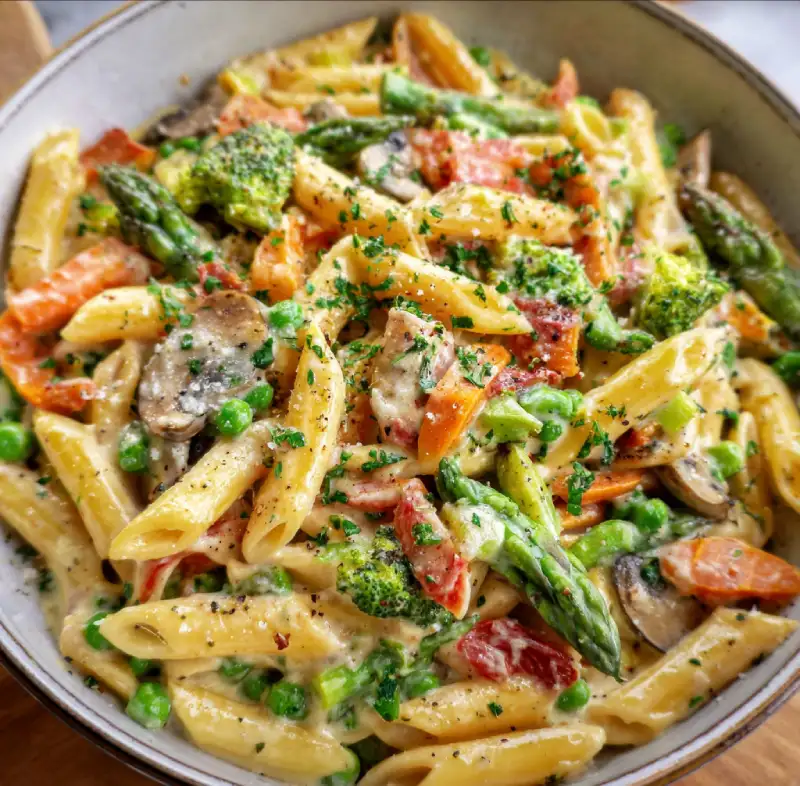
Imagine a vibrant dish, bursting with the freshest flavors of spring and summer, where tender-crisp vegetables mingle with perfectly al dente pasta in a light, silky sauce. That, my friends, is the magic of Pasta Primavera. It’s a symphony of textures and tastes, a dish that feels both incredibly comforting and wonderfully invigorating. This isn’t just another pasta recipe; it’s your new go-to for weeknight dinners when you crave something fresh, healthy, and utterly delicious. I’ve personally experimented in my kitchen for years, trying to perfect a primavera that captures the essence of fresh produce without becoming heavy or bland. The secret lies in simple techniques that elevate each ingredient, allowing their natural sweetness and earthiness to shine through. Trust me, once you make this, you’ll wonder how you ever lived without it. See more easy recipes that bring this kind of joy to your table!
How This Pasta Primavera Recipe Works
- Achieving Vibrant Flavor with Seasonal Vegetables: This recipe focuses on quick cooking methods that retain the bright colors and essential crisp-tender texture of your chosen vegetables, ensuring every bite is a burst of freshness.
- The Perfect Pasta-to-Sauce Ratio: We ensure a balanced ratio where the vegetables and light sauce generously coat each strand of pasta, preventing it from tasting dry or overwhelmed.
- Creamy Texture Without Heavy Cream: The secret to our luscious, velvety sauce is using a combination of starchy pasta water, quality broth, and a touch of Parmesan cheese, creating richness without the heaviness.
- Quick and Easy Assembly for Busy Cooks: Designed with efficiency in mind, this Pasta Primavera comes together surprisingly fast, making it ideal for a gourmet-tasting meal even on the busiest of weeknights.
Ingredients and Smart Substitutions for Pasta Primavera
Here is what you need and why:
Choosing Your Pasta: Shapes and Textures: For Pasta Primavera, I love using a short, robust pasta shape like penne, fusilli, or farfalle. These shapes have nooks and crannies that perfectly capture the sauce and small bits of vegetables. Long pasta like fettuccine or linguine also works beautifully, offering a different textural experience.
The Essential Primavera Vegetables (and Why They Work): This is where the dish truly shines! I recommend a mix of sweet and savory. Think asparagus (for earthiness), snap peas (for a sweet crunch), bell peppers (for color and mild sweetness), zucchini or yellow squash (for tender texture), and cherry tomatoes (for a burst of juicy acidity). These vegetables cook quickly and retain their vibrant appeal.
Aromatics: Garlic and Shallots for Depth: These are the foundational flavors. Finely minced garlic provides that classic Italian warmth, while shallots offer a more delicate, sweet onion flavor that complements the fresh vegetables without overpowering them.
Bringing it Together: Broth, Cheese, and Herbs: A good quality vegetable broth forms the base of our light sauce, adding savory depth. Freshly grated Parmesan cheese brings salty, umami notes and helps create that wonderful silky texture. Finally, fresh herbs like basil, parsley, or chives are non-negotiable – they add a burst of fresh, aromatic brightness at the very end.
Ingredient Swaps and Adaptations for Your Pantry: No asparagus? Use broccoli florets! Don’t have snap peas? Green beans will do. Feel free to use whatever seasonal vegetables you have on hand. For a gluten-free version, simply use your favorite GF pasta. For a dairy-free option, nutritional yeast can mimic the cheesy flavor, and skip the Parmesan.
Step-by-Step Instructions: Making Your Delicious Pasta Primavera
Follow these step-by-step photos:
1. Prep Your Vegetables for Even Cooking
Wash and chop all your vegetables. For best results and even cooking, aim for similarly sized pieces. Asparagus should be cut into 1-inch pieces, snap peas left whole or halved, bell peppers julienned, zucchini quartered lengthwise and then sliced, and cherry tomatoes halved. Mince your garlic and finely dice your shallots. Having everything prepped before you start cooking is key to a smooth process.
2. Cook the Pasta to Al Dente Perfection
Bring a large pot of salted water to a rolling boil. Add your chosen pasta and cook according to package directions until it’s perfectly al dente – firm to the bite but not hard. Before draining, reserve about 1 to 1.5 cups of the starchy pasta cooking water. This magic ingredient is crucial for creating our silky sauce. Drain the pasta and set aside.
3. Sautéing the Aromatics and Vegetables
In a large skillet or Dutch oven, heat a tablespoon of olive oil over medium heat. Add the minced shallots and cook for 2-3 minutes until softened and translucent, being careful not to brown them. Add the minced garlic and cook for another minute until fragrant. Next, add your firmer vegetables: asparagus, bell peppers, and zucchini/squash. Sauté for 3-5 minutes until they start to soften but still have a slight crispness. Add the snap peas and cherry tomatoes for the last 2 minutes of cooking. We want them bright and crisp-tender, not mushy!
4. Building the Sauce: Broth, Seasoning, and Herbs
Pour in about 1/2 cup of vegetable broth into the skillet with the sautéed vegetables. Season generously with salt and black pepper. Bring to a gentle simmer. Add a good handful of chopped fresh herbs like basil and parsley. Stir well to combine all the flavors.
5. Combining Pasta and Sauce for Maximum Flavor
Add the drained pasta directly into the skillet with the vegetables and sauce. Toss vigorously to coat the pasta evenly. Begin adding the reserved pasta water, a quarter cup at a time, continuously tossing until the sauce emulsifies and clings beautifully to the pasta, reaching your desired consistency. You might not need all of the reserved water.
6. Finishing Touches: Cheese and Freshness
Remove the skillet from the heat. Stir in a generous amount of freshly grated Parmesan cheese. If desired, add another sprinkle of fresh herbs. Taste and adjust seasoning as needed. Serve immediately, garnished with extra Parmesan and a drizzle of good quality olive oil.
Expert Tips for Pasta Primavera Success
- Don’t Overcook Your Vegetables: Keep Them Bright: The essence of Pasta Primavera is fresh, vibrant vegetables. Cook them just until crisp-tender to maintain their color, nutrients, and delightful bite.
- Pasta Water: The Secret to a Silky Sauce: That starchy water from cooking your pasta is liquid gold! It helps to emulsify the sauce, creating a smooth, velvety consistency that coats every strand perfectly.
- Cheese Choices: Parmesan vs. Pecorino: While Parmesan offers a nutty, milder savoriness, Pecorino Romano brings a sharper, saltier kick. Choose based on your preference or use a combination for complexity.
- Fresh Herbs Make All the Difference: Dried herbs simply won’t cut it for this dish. Fresh basil, parsley, or chives added at the end elevate the entire flavor profile with their bright, aromatic notes.
- Adjusting Seasoning as You Go: Taste your sauce and pasta at various stages. Salt and pepper are crucial, but don’t be afraid to add a pinch more broth or a squeeze of lemon juice to enhance the flavors.
What to Serve With Your Pasta Primavera
This See more good recipes here Pasta Primavera is a complete meal on its own, but a few simple additions can elevate the experience:
- Simple Green Salad: A light, crisp salad with a vinaigrette dressing provides a refreshing counterpoint to the pasta.
- Crusty Bread for Sopping Up Sauce: Don’t let any of that delicious, light sauce go to waste! A warm, crusty baguette is perfect for soaking up every last bit.
- Light Protein Pairings: For a heartier meal, pan-seared chicken breast, grilled shrimp, or even some cannellini beans tossed in are fantastic additions.
Storing and Reheating Pasta Primavera
How to Store Leftovers Safely: Once cooled, transfer your leftover Pasta Primavera to an airtight container and refrigerate for up to 3-4 days. The flavors often meld and deepen overnight, making it just as delicious, if not more so, the next day.
Best Practices for Reheating Without Mushiness: To reheat, gently warm the pasta in a skillet over medium-low heat, adding a splash of vegetable broth or water to rehydrate the sauce and prevent the pasta from drying out or becoming clumpy. Stir occasionally until heated through. Avoid using a microwave for best results, as it can overcook the vegetables and make the pasta mushy.
Frequently Asked Questions
Can I use frozen vegetables?
What’s the best type of pasta for Primavera?
How do I make it vegetarian/vegan?
Can I add protein to this dish?
Why is my sauce too watery/thick?
Delicious Pasta Primavera
- Total Time: 35 minutes
- Yield: 4 servings
Description
A vibrant and fresh pasta dish bursting with seasonal vegetables, creating a light yet satisfying meal. Perfect for an easy weeknight dinner.
Ingredients
- 12 oz short pasta (penne, fusilli, farfalle)
- 1 tbsp olive oil
- 1 large shallot, minced
- 2 cloves garlic, minced
- 1 cup asparagus, cut into 1-inch pieces
- 1 cup snap peas, halved
- 1/2 red bell pepper, julienned
- 1/2 zucchini or yellow squash, quartered and sliced
- 1 cup cherry tomatoes, halved
- 1/2 – 1 cup vegetable broth
- 1/2 – 1.5 cups reserved pasta cooking water
- 1/2 cup freshly grated Parmesan cheese, plus more for serving
- 1/4 cup chopped fresh basil
- 1/4 cup chopped fresh parsley
- Salt and freshly ground black pepper to taste
Instructions
- Bring a large pot of salted water to a boil. Cook pasta according to package directions until al dente. Reserve 1-1.5 cups of pasta water, then drain the pasta.
- While pasta cooks, heat olive oil in a large skillet over medium heat. Add shallots and cook 2-3 minutes until softened. Add garlic and cook 1 minute until fragrant.
- Add asparagus, bell pepper, and zucchini/squash to the skillet. Sauté for 3-5 minutes until crisp-tender. Add snap peas and cherry tomatoes and cook for another 2 minutes.
- Pour in 1/2 cup of vegetable broth. Season with salt and pepper. Add basil and parsley. Bring to a gentle simmer.
- Add the drained pasta to the skillet. Toss well to combine. Gradually add reserved pasta water, 1/4 cup at a time, tossing until the sauce coats the pasta beautifully and reaches desired consistency.
- Remove from heat, stir in Parmesan cheese. Taste and adjust seasoning. Serve immediately, garnished with extra Parmesan and a drizzle of olive oil.
- Prep Time: 15 mins
- Cook Time: 20 mins