


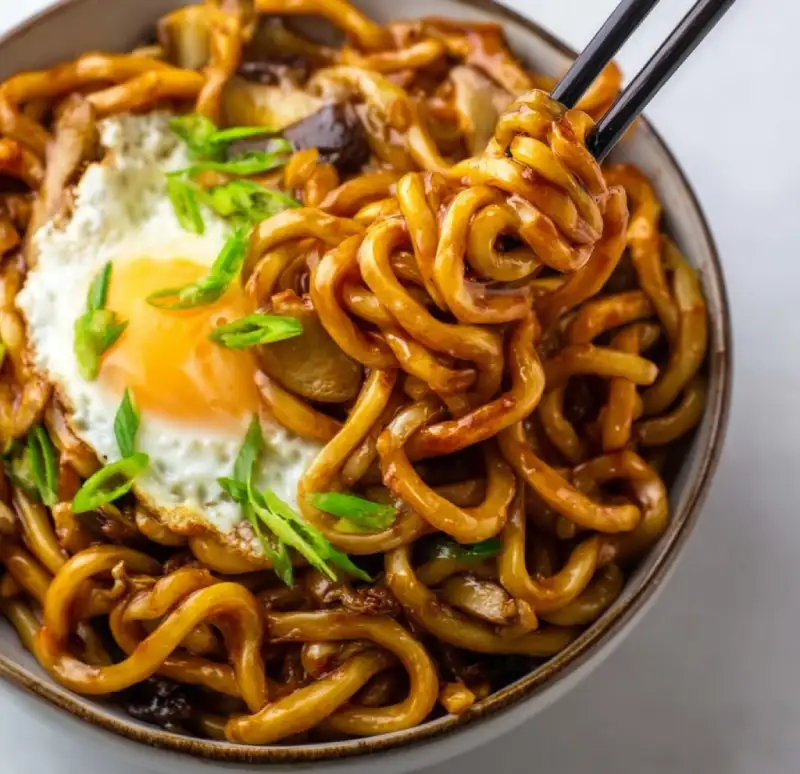
Yaki Udon: Best Recipe with 10 Easy Steps
Table of Contents
- Introduction to Yaki Udon
- Why This Yaki Udon Recipe is the Best
- Essential Ingredients for Perfect Yaki Udon
- Step-by-Step Instructions: Making Yaki Udon
- Expert Tips for Delicious Yaki Udon
- Serving Suggestions and Variations
- Storing Leftover Yaki Udon
- Frequently Asked Questions (FAQs)
Get ready to master Yaki Udon: Best Recipe with 10 Easy Steps right in your own kitchen! This beloved Japanese stir-fried noodle dish is incredibly satisfying, packed with savory flavors, and surprisingly simple to whip up on a weeknight. Whether you’re a seasoned chef or a kitchen novice, our guide will have you enjoying authentic Yaki Udon in no time.
Say goodbye to takeout and hello to a homemade dish that rivals your favorite Japanese restaurant. Our comprehensive recipe ensures perfect results every time, bringing the vibrant flavors of Japan straight to your dining table.
Introduction to Yaki Udon
Yaki Udon is a classic Japanese dish featuring thick, chewy udon noodles stir-fried with a variety of vegetables, protein, and a rich, savory sauce. It’s a staple in Japanese cuisine, cherished for its comforting texture and deeply satisfying taste. The beauty of this “stir-fried noodles” dish lies in its versatility and speed, making it an ideal choice for a quick yet flavorful meal.
Originating as a way to use leftover ingredients, Yaki Udon has evolved into a popular dish enjoyed worldwide. It’s a fantastic introduction to Japanese cooking and a delightful way to explore the robust flavors of Asian cuisine.
Why This Yaki Udon Recipe is the Best
What makes our Yaki Udon recipe stand out? We’ve perfected the balance of flavor and simplicity. Our step-by-step approach breaks down the process into 10 easy steps, ensuring even beginners can achieve restaurant-quality results.
This recipe emphasizes fresh ingredients and proper technique to create a harmonious blend of textures and tastes. It’s a truly satisfying “easy recipe” that delivers big on flavor, making it perfect for a “quick dinner” solution without compromising on authenticity.
Essential Ingredients for Perfect Yaki Udon
To create truly delicious Yaki Udon, selecting the right ingredients is key. Here’s what you’ll need for this vibrant “noodle stir fry”:
- 2 packs (200g each) fresh or frozen udon noodles
- 1 tbsp sesame oil
- 1 tbsp vegetable oil
- 150g thinly sliced pork belly, chicken breast, or firm tofu (protein of choice)
- 1 medium onion, thinly sliced
- 1 carrot, julienned
- 1 cup cabbage, chopped
- 1/2 red bell pepper, sliced
- 2 cloves garlic, minced
- 1 tbsp fresh ginger, grated
- 2 green onions, sliced (for garnish)
- For the Sauce:
- 2 tbsp soy sauce
- 1 tbsp mirin
- 1 tbsp sake (optional, or substitute with more mirin)
- 1 tsp sugar
- 1/2 tsp dashi powder (optional)
For more detailed information on selecting the best fresh ingredients for your Asian cooking, Read our in-depth guide here.
Step-by-Step Instructions: Making Yaki Udon
Follow these 10 simple steps to create a delightful bowl of Yaki Udon:
-
Step 1: Preparing the Noodles
If using fresh udon, separate them gently. For frozen udon, blanch them in boiling water for 1-2 minutes until loosened, then drain and rinse with cold water to prevent sticking. Set aside.
-
Step 2: Sautéing the Vegetables
Heat vegetable oil in a large wok or skillet over high heat. Add the sliced onion, carrot, and bell pepper. Stir-fry for 2-3 minutes until slightly tender-crisp. Add the chopped cabbage and continue to stir-fry for another 2 minutes.
-
Step 3: Adding the Aromatics
Push the vegetables to one side of the pan. Add the minced garlic and grated ginger to the empty space and cook for 30 seconds until fragrant.
-
Step 4: Adding the Protein
Add your chosen protein (pork belly, chicken, or tofu) to the pan. Cook until browned and cooked through, breaking up any clumps. If using pork belly, cook until crispy.
-
Step 5: Combine Ingredients
Stir everything together in the wok, ensuring the protein and aromatics are well mixed with the vegetables.
-
Step 6: Prepare the Sauce
In a small bowl, whisk together the soy sauce, mirin, sake (if using), sugar, and dashi powder until the sugar dissolves. This forms the essential Yaki Udon sauce.
-
Step 7: Adding the Noodles and Sauce
Add the prepared udon noodles to the wok. Pour the whisked sauce evenly over the noodles and other ingredients.
-
Step 8: Stir-Frying to Perfection
Using tongs or chopsticks, gently toss and stir-fry the noodles and ingredients for 2-3 minutes, ensuring the sauce coats everything evenly and the noodles are heated through. Be careful not to break the noodles.
-
Step 9: Final Touches
Add the sesame oil and toss one last time to incorporate. The aroma will be incredible!
-
Step 10: Serve and Garnish
Transfer the Yaki Udon to serving bowls. Garnish with sliced green onions and, if desired, a sprinkle of bonito flakes or shredded nori. Serve immediately and enjoy your homemade Yaki Udon!
Expert Tips for Delicious Yaki Udon
Achieving perfect Yaki Udon is all about technique. Here are a few expert tips to elevate your dish:
- High Heat is Key: Always cook Yaki Udon over high heat. This creates that desirable “wok hei” (breath of the wok) flavor and ensures your ingredients are stir-fried, not steamed.
- Don’t Overcrowd the Wok: Cook in batches if necessary, especially if you’re making a large portion. Overcrowding lowers the pan temperature and leads to soggy results.
- Prep Everything Ahead: Stir-frying is fast! Have all your ingredients chopped, measured, and ready before you start cooking. This is called “mise en place” and is crucial for success.
- Choose Your Udon Wisely: Fresh or frozen udon noodles work best for their chewy texture. Dried udon can be used but may not offer the same bounce. Learn more about udon noodles and their varieties here.
- Customize Your Veggies: Feel free to experiment with other vegetables like mushrooms, spinach, or bean sprouts.
Serving Suggestions and Variations
Your homemade Yaki Udon is a complete meal on its own, but there are many ways to enjoy and customize it! For an extra kick, a dash of shichimi togarashi (Japanese seven-spice blend) is fantastic.
You can vary the protein by adding shrimp, beef, or even a fried egg on top. For a vegetarian option, simply omit the meat and add extra tofu or mushrooms. This “noodle stir fry” is incredibly adaptable, so feel free to make it your own!
Storing Leftover Yaki Udon
Leftover Yaki Udon can be stored in an airtight container in the refrigerator for up to 2-3 days. While best enjoyed fresh, it reheats quite well.
To reheat, you can use a microwave or gently warm it in a skillet over medium heat with a splash of water or broth to prevent dryness. Avoid overcooking, as the noodles can become too soft.
Frequently Asked Questions (FAQs)
What kind of udon noodles should I use for Yaki Udon?
For the best Yaki Udon, we recommend using fresh or frozen udon noodles. They have a wonderfully chewy texture that holds up well to stir-frying. Dried udon noodles can be used in a pinch, but they may not achieve the same desired bouncy texture.
Can I make Yaki Udon vegetarian or vegan?
Absolutely! To make Yaki Udon vegetarian or vegan, simply omit the pork belly or chicken. You can substitute with firm or extra-firm tofu, tempeh, or a variety of mushrooms (like shiitake or oyster mushrooms). Ensure your dashi powder (if using) is vegetarian, or omit it and add a pinch more salt to the sauce.
How do I prevent my Yaki Udon from getting soggy?
The key to preventing soggy Yaki Udon is to use high heat and avoid overcrowding your wok or skillet. Cook your ingredients in batches if necessary to maintain a high temperature. Also, ensure your noodles are properly drained after blanching, and don’t overcook them in the initial prep stage. Rapid stir-frying will prevent excess moisture from building up.