


Table of Contents
- Our Favorite Spring Minestrone Soup Recipe
- How This Recipe Works: Light, Bright, and Satisfying
- Ingredients and Smart Substitutions for Your Spring Minestrone
- Step-by-Step: Crafting Your Perfect Spring Minestrone
- Expert Tips for a Standout Spring Minestrone
- What to Serve with Your Spring Minestrone
- Storing and Reheating Your Minestrone
- Spring Minestrone FAQs
Our Favorite Spring Minestrone Soup Recipe
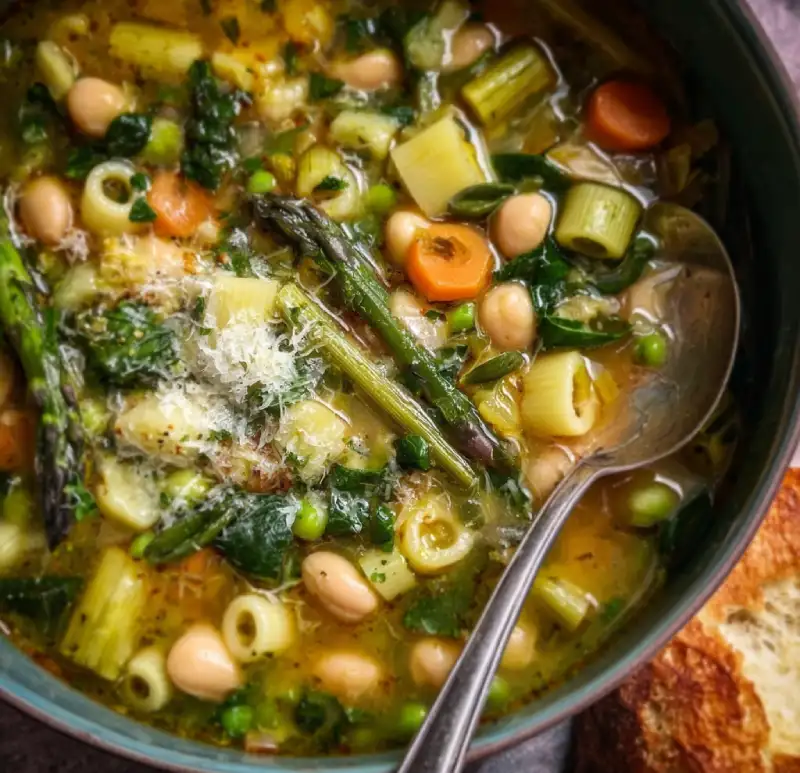
There’s nothing quite like the vibrant flavors and comforting warmth of a truly delicious soup, especially when it celebrates the bounty of the season. Our spring minestrone soup recipe is a revelation – a light yet satisfying embrace of fresh vegetables and bright herbs that sing of warmer days. Imagine spoonfuls of tender pasta, crisp-tender asparagus, sweet peas, and delicate spinach, all swimming in a savory, aromatic broth with a hint of lemon. It’s a dish that feels both wholesome and incredibly gourmet, perfect for a cozy evening or a refreshing lunch. If you’re looking to elevate your soup game and discover a recipe that will become a springtime staple, you’ve come to the right place. See more good recipes here to inspire your culinary adventures!
Why This Recipe Shines: Fresh, Flavorful, and Easy
- Seasonal Symphony: This recipe highlights peak-season spring vegetables, ensuring maximum flavor and freshness with minimal effort.
- Speedy Satisfaction: Designed for efficiency, this minestrone comes together quickly, making it a perfect weeknight meal without compromising on taste.
- Customizable Comfort: Easily adaptable to your pantry and preferences, allowing for substitutions and additions to suit any dietary need or craving.
- Bright & Balanced: We achieve a harmonious blend of savory, herbaceous, and subtly acidic notes, making each spoonful lively and invigorating.
A Spring Twist on a Classic
While traditional minestrone often features heartier, root vegetables, our spring version lightens the load. We swap out the heavy potatoes and carrots for the delicate crunch of asparagus, the sweetness of fresh peas, and the earthy goodness of spinach. The result is a soup that still offers the comforting familiarity of minestrone but with an undeniable freshness that perfectly suits the season. It’s a wonderful way to enjoy vegetables at their best, transforming simple ingredients into something truly special.
How This Recipe Works: Light, Bright, and Satisfying
Crafting the perfect spring minestrone soup isn’t just about combining ingredients; it’s about understanding how each component contributes to the overall experience. This recipe is meticulously designed to deliver a light, bright, and deeply satisfying bowl every time.
Layered Flavors from Fresh Vegetables
The magic begins with building layers of flavor. We start with a classic mirepoix – onions, carrots, and celery – slow-cooked to sweet perfection. This foundation is then enhanced by garlic and a strategic addition of spring vegetables. Adding vegetables at different stages ensures that each maintains its unique texture and vibrant taste, preventing them from becoming overcooked and bland. This thoughtful layering is what makes the soup taste complex and rich, despite its light composition.
Quick Cooking: Tender Yet Crisp
One of the hallmarks of this spring minestrone is its quick cooking time. We’ve optimized the process to ensure that delicate vegetables like asparagus and spinach are cooked just until tender-crisp, preserving their texture and bright color. The small pasta shapes cook directly in the broth, absorbing its flavors and becoming perfectly al dente. This avoids the common pitfall of mushy vegetables or pasta, offering a delightful contrast in every bite.
Balancing Acidity and Herbaceous Notes
What truly elevates this spring minestrone soup is the careful balance of acidity and fresh herbs. A touch of lemon zest and a squeeze of fresh lemon juice added at the very end provide a zesty brightness that cuts through the richness of the broth, awakening all the other flavors. Coupled with a generous handful of fresh parsley and basil, these elements infuse the soup with an herbaceous lift that feels incredibly fresh and invigorating, distinguishing it from heavier, winter varieties of minestrone.
Ingredients and Smart Substitutions for Your Spring Minestrone
Here is what you need and why:
Key Spring Vegetables: Asparagus, Peas, Spinach (and Why They Work)
These vegetables are the stars of our spring minestrone soup. Asparagus brings a slightly grassy, earthy note and a delightful crunch when cooked properly. Fresh or frozen peas burst with natural sweetness, adding pops of vibrant color and flavor. Fresh spinach wilts beautifully into the hot soup, providing a tender texture and a dose of leafy green goodness.
Aromatic Base: Mirepoix and Garlic – The Flavor Foundation
A classic mirepoix of finely diced onion, carrot, and celery provides the essential sweet and savory backbone for the soup. Sautéing these until softened releases their natural sugars, creating a depth of flavor that carries through the entire dish. Freshly minced garlic adds a pungent, aromatic warmth that is indispensable to good soup.
Broth Choice: Vegetable Broth for a Light Base (or Chicken Broth for Depth)
For a truly vegetarian or vegan spring minestrone soup, a high-quality vegetable broth is key. It provides a clean canvas for the spring vegetables to shine. If you’re not concerned with keeping it vegetarian, a good quality chicken broth can add an extra layer of savory depth and richness.
Pasta Power: Small Pasta Shapes that Don’t Overpower
Choosing a small pasta shape like ditalini, small shells, or orzo is crucial. These cook quickly and integrate seamlessly into the soup without dominating the other ingredients. Avoid larger, heavier pastas that can make the soup feel starchy or visually overwhelming.
Fresh Herbs: Parsley, Basil, or Dill for Brightness
Fresh herbs are non-negotiable for spring minestrone. Finely chopped fresh parsley and basil add incredible aroma, freshness, and a beautiful green hue. A sprinkle of fresh dill could also be a lovely addition for a slightly different herbaceous note.
Acid Touch: Lemon Zest or a Splash of Vinegar for Pop
A little acidity is what makes this spring minestrone soup truly sing. The finely grated zest of a lemon, along with a squeeze of its juice, brightens all the flavors and adds a lively finish. If you don’t have a lemon, a tiny splash of white wine vinegar or apple cider vinegar can offer a similar lift.
Optional Protein Boosts: White Beans or Small Lentils
To make your minestrone even more substantial, consider adding a can of drained and rinsed canned cannellini beans or great northern beans during the last stage of cooking. Alternatively, a handful of small, quick-cooking red or green lentils can be added with the broth for extra protein and fiber.
Step-by-Step: Crafting Your Perfect Spring Minestrone
Follow these step-by-step photos:
1. Prep Your Vegetables: Efficient Chopping for Even Cooking
Start by washing and chopping all your vegetables. Dice the onion, carrot, and celery into uniform, small pieces for the mirepoix. Trim the woody ends off the asparagus and cut the spears into 1-inch pieces. Mince the garlic. Having everything prepped before you start cooking is called ‘mise en place’ and it makes the cooking process so much smoother and ensures everything cooks evenly and at the right time.
2. Build the Base: Sauté Aromatics Until Fragrant
In a large pot or Dutch oven, heat a tablespoon of olive oil over medium heat. Add the diced onion, carrot, and celery. Sauté, stirring occasionally, for 5-7 minutes until the vegetables have softened and the onion is translucent. Don’t rush this step; softening the mirepoix properly builds a crucial flavor foundation. Add the minced garlic and cook for another minute until fragrant.
3. Add Liquids and Heartier Vegetables: Simmer for Flavor Infusion
Pour in your vegetable (or chicken) broth and bring it to a gentle simmer. Add any heartier vegetables like diced potatoes (if using, though this is a lighter minestrone) or canned beans at this stage. Season with a pinch of salt and black pepper. Allow it to simmer gently for about 10-15 minutes, allowing the flavors to meld and develop. At this point, you can also add a bay leaf for extra depth, removing it before serving.
4. Introduce Pasta and Delicate Greens: Cook Until Al Dente
Add the small pasta shapes to the simmering soup. Cook according to package directions, typically 7-10 minutes, or until al dente. About 3-4 minutes before the pasta is done, add the asparagus pieces and peas. Stir gently. In the last minute of cooking, stir in the fresh spinach. Cook just until the spinach has wilted and the asparagus and peas are tender-crisp. You want to avoid overcooking these delicate vegetables.
5. Finish with Fresh Herbs and Lemon: Brighten Every Bite
Remove the soup from the heat. Stir in the freshly chopped parsley and basil. Grate in the lemon zest and squeeze in the fresh lemon juice. This final addition of fresh elements will truly brighten the soup and awaken all the flavors. Give it a good stir to distribute everything evenly.
6. Seasoning to Perfection: Taste and Adjust
Before serving, always taste your spring minestrone soup. Adjust the seasoning as needed. You might find it needs a little more salt, pepper, or even another squeeze of lemon. Remember, perfectly seasoned food is the key to a memorable meal. Ladle into bowls and serve warm.
Expert Tips for a Standout Spring Minestrone
- Timing is Everything: Add Delicate Vegetables Last: To ensure your asparagus, peas, and spinach remain vibrant, tender-crisp, and not mushy, always add them towards the end of the cooking process, after the pasta has had a head start.
- Don’t Overcook the Pasta: Preserve Texture: Monitor the pasta closely. Overcooked pasta will become soft and starchy, clouding your broth and changing the soup’s texture. Aim for al dente, where there’s still a slight bite to it.
- Fresh Herbs Make All the Difference: Add at the End: Dried herbs have their place, but for this spring minestrone soup, fresh parsley and basil are paramount. Stir them in right before serving to preserve their bright flavor and aromatic oils.
- The Power of Lemon: Brightness Without Heaviness: Don’t skip the lemon zest and juice! It adds a crucial acidic lift that balances the savory broth and highlights the freshness of the vegetables, preventing the soup from tasting flat.
- Broth Quality Matters: Choose a Good One: Since broth forms the majority of your soup’s liquid base, its quality directly impacts the final flavor. Opt for a low-sodium, high-quality vegetable or chicken broth. Learn more about choosing the best broth or stock for your soups according to Food Network.
What to Serve with Your Spring Minestrone
This spring minestrone soup is a fantastic meal on its own, but a few accompaniments can make it even more enjoyable:
- Crusty Bread or Garlic Bread: Perfect for soaking up every last bit of the delicious broth. A warm, crusty baguette or homemade garlic bread is always a winner.
- Fresh Green Salad with a Light Vinaigrette: A simple side salad offers a lovely textural contrast and a refreshing counterpoint to the soup’s warmth. Keep the dressing light to let the soup shine.
- Parmesan Cheese for Garnish: A generous dusting of freshly grated Parmesan or Pecorino Romano cheese adds a salty, umami kick that complements the soup beautifully.
Storing and Reheating Your Minestrone
One of the best things about homemade soup is that it often tastes even better the next day! Here’s how to store and reheat your spring minestrone soup safely and effectively:
Cooling Safely: Important for Food Safety
After cooking, allow the soup to cool down safely before storing. Do not leave it at room temperature for more than two hours. To speed up cooling, you can divide the soup into smaller containers or place the pot in an ice bath.
Refrigeration Guidelines: Best Practices
Transfer the cooled soup to airtight containers. It will keep beautifully in the refrigerator for 3-4 days. The pasta may absorb more liquid and soften further, which is typical for minestrone.
Freezing Options: If You Want to Plan Ahead
This spring minestrone soup freezes well, especially if you undercook the pasta slightly (or cook the pasta separately and add it when reheating). If you plan to freeze, ensure the soup is completely cooled. Store in freezer-safe containers, leaving a little headspace for expansion. It can be frozen for up to 2-3 months. Thaw overnight in the refrigerator before reheating.
Reheating for Best Texture: Avoid Mushy Pasta
To reheat, transfer the desired portion to a saucepan over medium-low heat. Stir occasionally until heated through. If the soup has thickened too much, add a splash of extra broth or water to reach your desired consistency. Be mindful not to boil vigorously, especially if it contains pasta, to prevent it from becoming mushy. If you froze the soup without pasta, cook fresh pasta and add it to the reheated soup.
Spring Minestrone FAQs
Can I make this soup vegetarian/vegan?
What other vegetables can I add?
Can I use pre-cut vegetables?
How long does spring minestrone last in the fridge?
Delicious Spring Minestrone Soup Recipe
- Total Time: 40 minutes
- Yield: 6 servings
Description
Welcome the vibrant flavors of spring with this fresh, flavorful, and easy-to-make minestrone soup. Packed with bright vegetables and tender pasta, it’s a light yet satisfying meal perfect for any occasion.
Ingredients
- 1 tbsp olive oil
- 1 large yellow onion, diced
- 2 carrots, peeled and diced
- 2 celery stalks, diced
- 3 cloves garlic, minced
- 6 cups vegetable broth (or chicken broth)
- 1 cup small pasta (ditalini, small shells, or orzo)
- 1 lb asparagus, trimmed and cut into 1-inch pieces
- 1 cup frozen green peas
- 5 oz fresh spinach
- 1/4 cup fresh parsley, chopped
- 1/4 cup fresh basil, chopped (or a mix of herbs)
- Zest and juice of 1/2 lemon
- Salt and freshly ground black pepper to taste
- Optional: 1 can (15 oz) cannellini beans, rinsed and drained
Instructions
- 1. Sauté Aromatics: In a large pot or Dutch oven, heat olive oil over medium heat. Add onion, carrots, and celery; sauté for 5-7 minutes until softened. Add minced garlic and cook for 1 minute until fragrant.
- 2. Simmer Broth: Pour in vegetable broth. Bring to a gentle simmer. If using cannellini beans, add them now. Season with salt and pepper. Simmer for 10 minutes.
- 3. Cook Pasta and Vegetables: Add pasta to the simmering soup. Cook according to package directions, stirring occasionally, until al dente. About 3-4 minutes before pasta is done, add asparagus and peas. Stir well.
- 4. Wilt Spinach & Finish: In the last minute of cooking, stir in fresh spinach until just wilted. Remove from heat.
- 5. Brighten & Serve: Stir in fresh parsley, basil, lemon zest, and lemon juice. Taste and adjust seasoning as needed. Ladle into bowls and serve warm, garnished with Parmesan cheese if desired.
- Prep Time: 15 mins
- Cook Time: 25 mins